


 Chat Wao
The Evolution and Impact of Vacuum Interrupter Technology
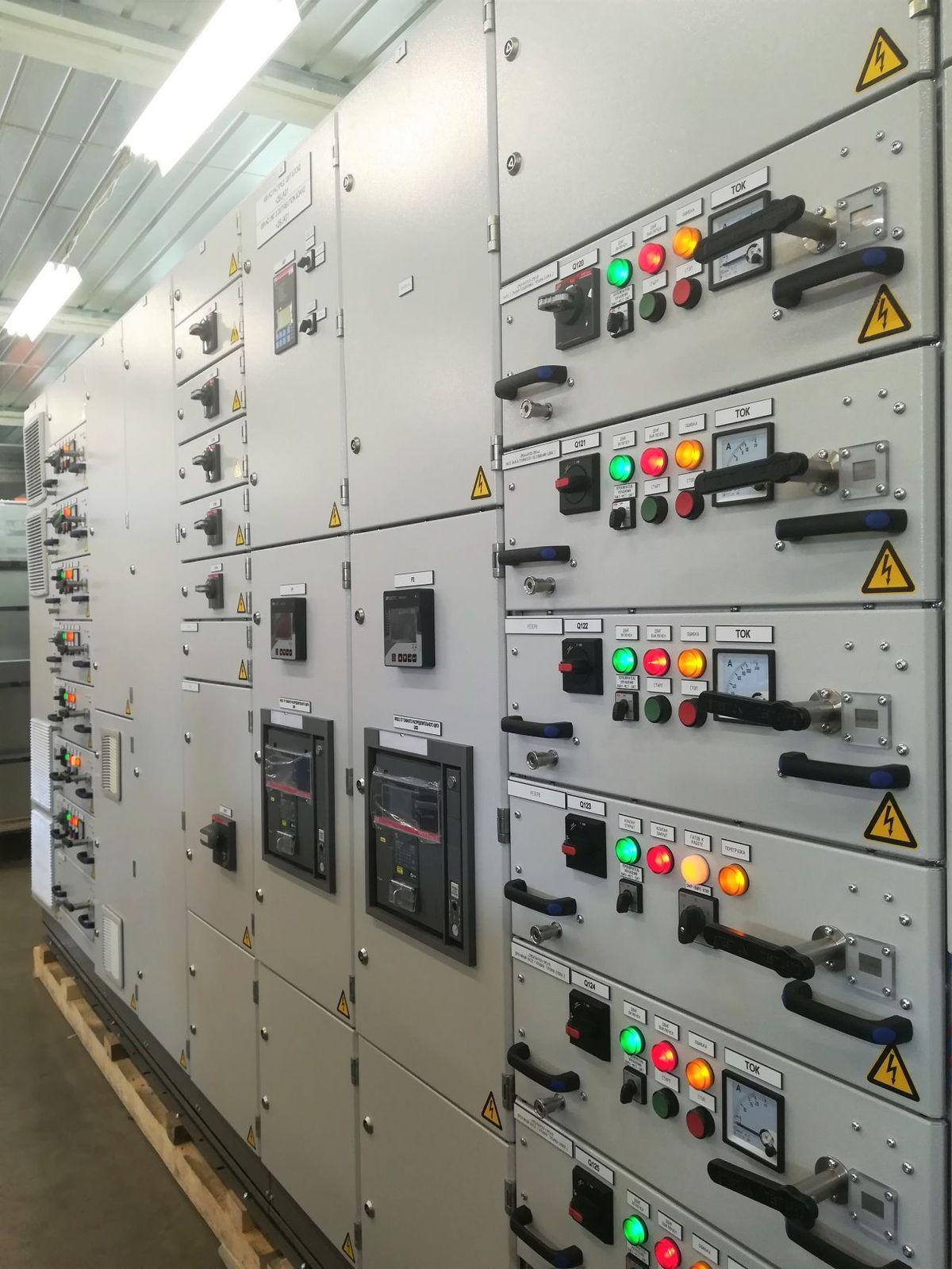
I. Historical Context: From Oil to Vacuum
-
Oil Breakers: Prone to fires, required large tanks, and needed frequent maintenance. -
Air-Blast Breakers: Loud, energy-intensive (needed compressed air systems), and less effective at high fault currents.
II. Core Components and Working Principles
1. The Vacuum Chamber
-
A sealed enclosure (made of glass, ceramic, or metal alloys) maintains an ultra-high vacuum (10⁻⁴ to 10⁻⁷ mbar). This absence of air or other gases is the foundation of its arc-quenching capability.
2. Contacts: The Arc Initiation Point
-
Fixed and Movable Contacts: Made from copper-chromium (CuCr) alloys (the most common) or advanced composites (e.g., CuCr with tungsten). These materials balance conductivity with the ability to vaporize and cool the arc. -
When the breaker opens, the contacts separate, and current flows through a metal vapor arc until the vacuum’s properties extinguish it.
3. Metal Bellows: The Moving Seal
-
A corrugated, corrosion-resistant bellows (typically stainless steel) allows the movable contact to move axially while maintaining the vacuum seal. This design ensures the chamber remains hermetically sealed for decades.
III. The Arc-Quenching Mechanism: Why Vacuum Works
1. Lack of Ionizable Gas
-
In air or oil, arcs sustain themselves due to ionized gas molecules. In a vacuum, there are no free gas particles to maintain the plasma column, causing the arc to collapse almost instantly.
2. Rapid Vapor Diffusion
-
When contacts separate, the metal (CuCr) vaporizes, creating a temporary arc. However, the low particle density in the vacuum causes this vapor to diffuse away quickly, depriving the arc of sustenance.
3. High Dielectric Recovery
-
After the arc current crosses zero (during the AC cycle’s natural zero point), the vacuum’s insulation strength (~10⁴ V/mm) recovers rapidly, preventing the arc from re-striking.
IV. Advantages Over Legacy Technologies
|
|
|
|
|
|---|---|---|---|
|
|
|
|
|
|
|
|
|
|
|
|
|
|
|
|
|
|
|
|
|
|
|
|
|
V. Applications Across Power Systems
1. Medium-Voltage Circuit Breakers (1kV–38kV)
-
Industrial Use: Protect motors, transformers, and feeders in factories, mines, and data centers. -
Utility Distribution: Used in substations to isolate faults and manage load switching.
2. Switchgear and Reclosers
-
Gas-Insulated Switchgear (GIS): Vacuum interrupters replace SF₆ components in compact, environmentally friendly GIS designs. -
Automatic Circuit Reclosers (ACRs): Essential for rural electrification and overhead lines, automatically restoring power after transient faults.
3. Renewable Energy Integration
-
Solar/Wind Farms: Protect inverters, DC/AC converters, and distribution lines in decentralized energy systems. -
DC Applications (Emerging): Research focuses on adapting vacuum technology for DC breakers (e.g., HVDC grids), where arc quenching is more complex.
VI. Innovations Driving the Future
1. Higher Voltage Ratings
-
While traditionally limited to 38kV, multi-break designs and optimized contact geometries are enabling ratings up to 72.5kV and beyond, expanding their use in transmission networks.
2. Sustainable Materials
-
Eco-Friendly Alloys: New contact materials (e.g., CuCr with silver coatings) improve durability while reducing resource consumption. -
Recyclable Components: Metal and ceramic parts are designed for end-of-life recycling, aligning with circular economy goals.
3. Smart Grid Integration
-
Embedded sensors monitor contact wear, vibration, and temperature, enabling predictive maintenance and reducing downtime. -
Compatibility with digital protection relays enhances grid automation and fault response.
VII. Global Impact and Market Trends
-
Adoption Rates: Over 80% of medium-voltage breakers sold globally now use vacuum interrupters, driven by their reliability and environmental benefits. -
Regulatory Push: Bans on SF₆ (e.g., EU’s F-Gas Regulation) and oil (due to fire risks) are accelerating vacuum interrupter deployment. -
Economic Benefits: Lower lifecycle costs (no gas handling, minimal maintenance) make them cost-effective for utilities and industries.

 English
 Arabic
 French
 Spanish
 Portuguese
 Deutsch
 Turkish
 Italiano
 Russian
 Romaian
 Portuguese (Brazil)
 Greek
Greek