


 Chat Wao
Strategic Implementation of Green Energy Solutions
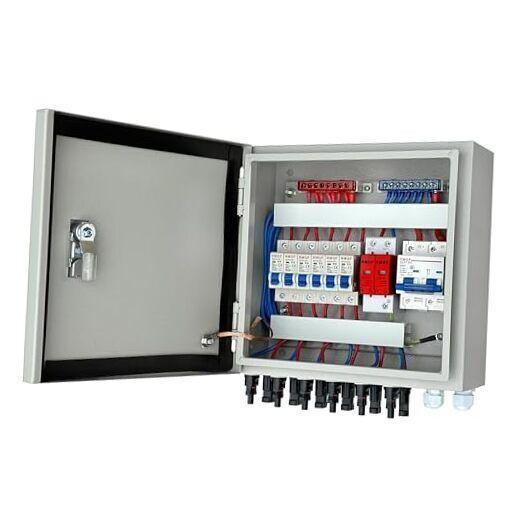
The successful implementation of green energy solutions requires careful planning, strategic decision-making, and comprehensive execution. This practical guide explores the methodologies and best practices for deploying renewable energy systems effectively, ensuring optimal performance, economic viability, and maximum environmental benefits.
Project Development Framework
A structured approach ensures successful green energy implementation:
Feasibility Assessment
-
Resource availability analysis
-
Technical viability evaluation
-
Economic feasibility study
-
Regulatory compliance review
Project Planning
-
Comprehensive implementation roadmap
-
Stakeholder engagement strategy
-
Risk assessment and mitigation planning
-
Budget and timeline development
Technology Selection Criteria
Choosing the right green energy solutions:
Site-Specific Considerations
-
Solar irradiance and wind resource assessment
-
Land availability and topography
-
Grid connection capacity and proximity
-
Environmental impact considerations
Performance Requirements
-
Energy production targets
-
Reliability and availability needs
-
Maintenance and operational capabilities
-
Future expansion possibilities
Economic Evaluation
-
Capital expenditure analysis
-
Operational cost projections
-
Revenue potential assessment
-
Return on investment calculations
Financial Strategies
Securing funding and optimizing economics:
Funding Options
-
Project financing structures
-
Government incentives and grants
-
Green bonds and sustainable investment
-
Power purchase agreements (PPAs)
Economic Optimization
-
Lifecycle cost analysis
-
Risk-adjusted return calculations
-
Tax advantage utilization
-
Cost reduction strategies
Implementation Best Practices
Successful deployment requires disciplined execution:
Project Management
-
Detailed engineering design
-
Supply chain management
-
Construction quality control
-
Timeline and budget management
Technical Integration
-
Grid connection and interconnection studies
-
System compatibility verification
-
Protection and control system integration
-
Performance testing and commissioning
Stakeholder Management
-
Community engagement and benefits sharing
-
Regulatory compliance and permitting
-
Environmental impact mitigation
-
Public relations and communication
Operational Excellence
Maximizing performance through proper operation:
Monitoring and Maintenance
-
Performance monitoring systems
-
Predictive maintenance programs
-
Asset management strategies
-
Continuous improvement processes
Performance Optimization
-
Efficiency enhancement measures
-
Load management optimization
-
Energy storage utilization
-
Predictive analytics implementation
Data Management
-
Performance data collection and analysis
-
Regulatory reporting compliance
-
Financial performance tracking
-
Environmental impact monitoring
Case Studies: Successful Implementations
Utility-Scale Solar Project
-
100 MW solar farm development
-
Advanced single-axis tracking system
-
Battery energy storage integration
-
Community benefit program implementation
Commercial Rooftop Installation
-
2 MW rooftop solar system
-
Energy management system integration
-
Demand charge reduction strategy
-
Sustainability certification achievement
Risk Management
Identifying and addressing implementation challenges:
Technical Risks
-
Technology performance uncertainty
-
System integration complexities
-
Maintenance requirement understanding
-
Performance degradation management
Commercial Risks
-
Market price volatility
-
Regulatory changes
-
Counterparty risks
-
Operational cost uncertainties
Mitigation Strategies
-
Technology diversification
-
Contractual protection mechanisms
-
Insurance coverage
-
Contingency planning
Regulatory Compliance
Navigating the complex regulatory landscape:
Permitting Requirements
-
Environmental impact assessments
-
Building and construction permits
-
Grid connection approvals
-
Operational licenses
Policy Incentives
-
Renewable energy certificates (RECs)
-
Feed-in tariffs and premium payments
-
Tax credits and accelerated depreciation
-
Carbon pricing mechanisms
Future Trends and Innovations
Emerging developments in green energy implementation:
Digital Transformation
-
Artificial intelligence for system optimization
-
Digital twin technology for performance prediction
-
Blockchain for energy transaction management
-
Advanced forecasting algorithms
Technology Integration
-
Hybrid renewable energy systems
-
Green hydrogen production integration
-
Multi-energy system optimization
-
Cross-sector coupling applications
Business Model Innovation
-
Energy-as-a-service offerings
-
Community energy sharing platforms
-
Corporate renewable energy procurement
-
Green energy trading markets
Sustainability Measurement
Quantifying environmental benefits:
Environmental Metrics
-
Carbon emission reduction calculations
-
Air quality improvement assessment
-
Water conservation impact
-
Biodiversity protection measures
Social Impact
-
Job creation and local economic benefits
-
Community development contributions
-
Energy access improvements
-
Health and wellbeing enhancements
Best Practices Summary
Key recommendations for successful implementation:
Strategic Planning
-
Comprehensive feasibility assessment
-
Stakeholder alignment
-
Risk-aware decision making
Execution Excellence
-
Quality-focused implementation
-
Experienced team deployment
-
Robust project management
-
Continuous quality assurance
Operational Management
-
Performance monitoring and optimization
-
Preventive maintenance programs
-
Staff training and development
-
Continuous improvement culture
Conclusion
The implementation of green energy solutions requires a holistic approach that balances technical, economic, and environmental considerations. Through careful planning, disciplined execution, and ongoing optimization, organizations can successfully deploy renewable energy systems that deliver sustainable value for years to come.

 English
 Arabic
 French
 Spanish
 Portuguese
 Deutsch
 Dutch
Dutch
 Italiano
 Russian
 Romaian
 Portuguese (Brazil)
 Greek
Greek