


 Chat Wao
9 Advantages of a Rear Tine Tiller for Gardens and Landscaping
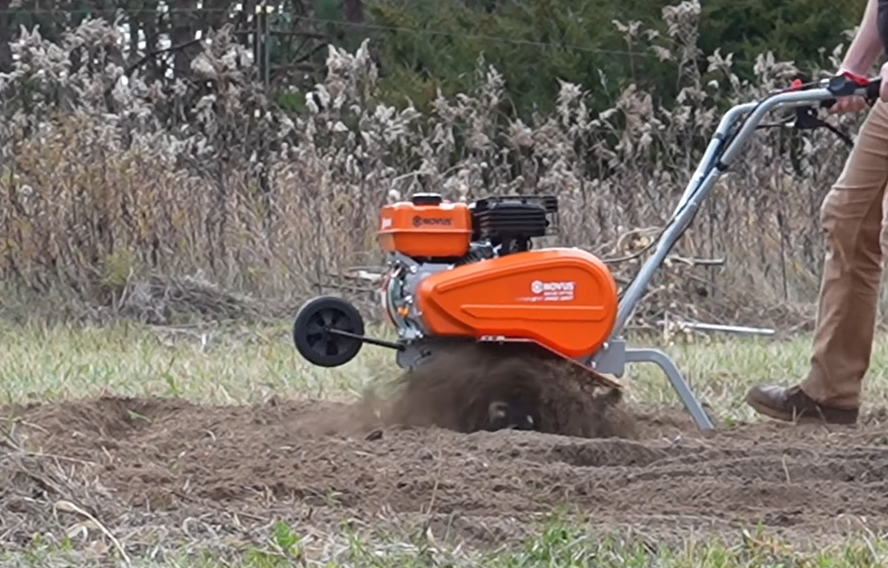
Preparing soil is one of the most important steps in creating a productive garden, food plot, or landscaping project. While hand tools may be sufficient for small flower beds, larger plots often require more power and efficiency. That's where a rear tine tiller stands out.
Known for its superior digging performance and stability, a rear tine tiller is the preferred choice for homeowners, hobby farmers, and landscaping professionals who need to break new ground or cultivate large areas of soil. Compared with front tine models, rear tine tillers offer greater power, deeper tilling capability, and easier operation in challenging soil conditions.
In this article, we'll explore the key advantages of rear tine tillers and why they are considered one of the most effective soil preparation tools available today.
What Is a Rear Tine Tiller?
A rear tine tiller is a motorized gardening machine designed to loosen, mix, and aerate soil. Unlike front tine tillers, where the tines are located in front of the wheels, rear tine tillers position the tines behind the engine and drive wheels.
This design allows the powered wheels to move the machine forward while the rotating tines dig into the soil independently. The result is better traction, greater control, and more efficient soil cultivation.
Rear tine tillers are commonly used for vegetable gardens, large flower beds, food plots, orchards, landscaping projects, and even small-scale farming operations.
Superior Performance in Hard Soil
One of the biggest advantages of a rear tine tiller is its ability to handle compacted or previously uncultivated soil.
Breaking new ground can be challenging with lighter equipment. Front tine tillers often bounce or struggle when encountering hard-packed dirt, clay, or rocky terrain. Rear tine tillers, however, are designed to apply more downward force while maintaining traction through their powered wheels.
This allows the machine to penetrate dense soil more effectively and create a well-prepared seedbed with fewer passes.
For gardeners converting lawns into planting areas or preparing neglected land, a rear tine tiller can significantly reduce labor and time.
Deeper Tilling Capability
Depth is critical when preparing soil for healthy root development.
Rear tine tillers generally offer deeper tilling depths than front tine models. The powerful tine system can loosen soil several inches below the surface, helping roots access water, nutrients, and oxygen more effectively.
Deep tilling is particularly beneficial when planting vegetables such as tomatoes, peppers, potatoes, and root crops that require loose, well-aerated soil for optimal growth.
By improving soil structure, rear tine tillers contribute to stronger plants and higher yields throughout the growing season.
Better Stability and Control
Operating a tiller can be physically demanding, especially when working in difficult ground conditions.
Rear tine tillers are engineered to be more stable during operation. Since the wheels drive the machine forward while the tines perform the digging, users don't need to fight against the machine's movement as much as they would with a front tine model.
This balanced design reduces operator fatigue and makes it easier to maintain straight tilling rows.
For larger gardens and extended work sessions, improved stability translates into greater comfort and productivity.
Ideal for Large Gardens and Properties
While front tine tillers are often suitable for small garden plots, rear tine tillers excel in larger spaces.
The combination of powerful engines, wider tilling widths, and self-propelled drive systems enables users to cover more ground in less time. Whether preparing a backyard vegetable garden, a food plot for wildlife management, or multiple landscaping beds, rear tine tillers can handle demanding workloads efficiently.
Many landowners find that investing in a rear tine tiller saves countless hours compared to manual cultivation methods.
Multiple Tilling Modes for Greater Versatility
Many modern rear tine tillers feature both forward-rotating and counter-rotating tines.
Forward-rotating tines are ideal for routine cultivation, mixing compost, and maintaining established gardens. Counter-rotating tines rotate opposite the direction of the wheels, creating aggressive digging action for breaking hard ground and compacted soil.
This versatility allows a single machine to perform a wide range of gardening and landscaping tasks throughout the year.
Whether you're preparing new planting beds or incorporating organic matter into existing soil, a rear tine tiller can adapt to changing project requirements.
Improved Traction on Uneven Terrain
Gardens and landscaping areas are rarely perfectly flat.
Rear tine tillers are equipped with larger wheels and powered drive systems that provide excellent traction on slopes, uneven surfaces, and loose soil. This feature is particularly valuable for rural properties and larger plots where terrain conditions vary.
Better traction not only improves productivity but also enhances operator safety and machine control.
Reduced Operator Effort
A major reason many gardeners upgrade to a rear tine tiller is ease of use.
Because the wheels provide forward motion, users spend less energy pushing, pulling, and controlling the machine. The tiller does much of the work itself, allowing operators to focus on guiding the equipment rather than forcing it through the soil.
This makes rear tine tillers especially attractive for older gardeners or anyone managing larger cultivation projects.
The reduction in physical strain can make gardening more enjoyable and accessible over the long term.
Long-Term Durability
Rear tine tillers are typically built for more demanding applications than smaller front tine models.
Manufacturers often equip them with heavy-duty gear transmissions, reinforced tine assemblies, durable frames, and larger engines. These components are designed to withstand years of repeated use in challenging conditions.
For property owners who regularly maintain large gardens or agricultural plots, the durability of a rear tine tiller can provide excellent long-term value.
While the initial investment may be higher, the extended service life often results in a lower cost of ownership over time.
Is a Rear Tine Tiller Right for You?
A rear tine tiller is an excellent choice if you regularly work with large gardens, compacted soil, food plots, landscaping projects, or new ground preparation. Its combination of power, stability, deep tilling capability, and operator comfort makes it one of the most effective soil cultivation tools available.
Homeowners with small raised beds may find a front tine tiller sufficient, but anyone seeking professional-level performance and productivity will appreciate the advantages that a rear tine tiller provides.
Final Thoughts
When it comes to serious soil preparation, few machines offer the performance and efficiency of a rear tine tiller. Its ability to break hard ground, cultivate deeper soil layers, maintain excellent traction, and reduce operator fatigue makes it a valuable investment for gardeners and landowners alike.
Whether you're establishing a new vegetable garden, improving soil quality, or managing larger landscaping projects, a rear tine tiller can help you achieve better results while saving time and effort. For those who demand reliable performance season after season, a rear tine tiller remains one of the best tools for the job.

 English
 Arabic
 French
 Spanish
 Portuguese
 Deutsch
 Turkish
 Dutch
Dutch
 Russian
 Romaian
 Portuguese (Brazil)
 Greek
Greek