


 Chat Wao
Environmental Reliability of PP Conductive Sheets in Electronics Packaging
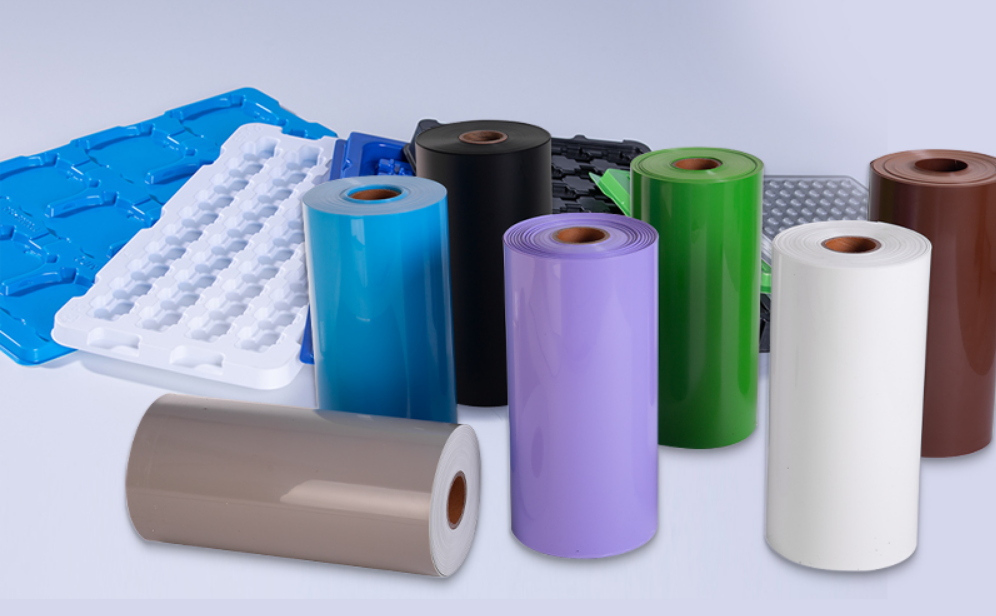
Users and engineers frequently ask about the performance of PP Conductive Sheet and PP Black Conductive materials under challenging environmental conditions, such as low temperatures, high humidity, or outdoor exposure. While these materials are primarily valued for their ability to control static electricity, maintaining consistent conductivity and mechanical stability in different climates is crucial for critical applications, including electronics packaging, ESD trays, and industrial parts.
Understanding Environmental Effects on Conductive PP
Conductive polypropylene is achieved by incorporating conductive fillers like carbon black into a PP matrix. These additives form networks that enable the material to dissipate static charges effectively. However, environmental factors can influence both the physical structure and conductivity of these sheets:
Low Temperature: At very low temperatures, the PP matrix becomes stiffer, which can slightly alter the spacing between conductive particles. This may affect resistivity, especially in sheets with lower filler content.
UV Exposure and Weathering: Although standard PP Black Conductive materials have reasonable UV resistance, long-term outdoor exposure can cause surface degradation or discoloration. While electrical conductivity may not immediately be affected, mechanical properties like flexibility and impact strength can diminish.
Humidity and Moisture: Moisture can interact with surface fillers, particularly if additives are not properly compounded, causing minor fluctuations in surface resistivity.
Understanding these factors helps manufacturers design PP Conductive Sheet suitable for various climates and applications
Designing Conductive PP for Challenging Conditions
To improve the environmental stability of PP Black Conductive materials, several strategies are often applied:
Optimized Filler Concentration: Ensuring sufficient conductive filler creates a robust network that is less sensitive to minor thermal contraction or expansion.
Enhanced Compounding Techniques: Proper mixing and dispersion of fillers throughout the polymer matrix prevent weak points that could be affected by environmental stress.
Stabilizers and Additives: Some formulations include stabilizers to improve UV and thermal resistance, which helps maintain both mechanical and electrical performance over time.
Companies like Zhejiang Itong New Material Technology Co., Ltd. have invested in material testing under harsh conditions to ensure that their conductive sheets meet industrial requirements for both ESD protection and durability.
Testing and Verification Practices
For applications where environmental conditions vary, users often perform:
Low-Temperature Resistivity Tests: Measuring resistivity after exposing sheets to sub-zero temperatures ensures conductivity remains within acceptable ranges.
Weathering Simulations: Accelerated UV and moisture tests can help predict long-term performance, guiding material selection for outdoor applications.
Mechanical Flexibility Checks: Ensuring sheets retain sufficient flexibility prevents cracks or breakage in formed parts exposed to thermal cycling.
Such testing practices are widely recommended in forums and industry discussions, highlighting concerns from electronics manufacturers to industrial component designers.
Application Implications
Reliable performance of PP Conductive Sheet in challenging environments is critical for:
Electronics Manufacturing: ESD trays and carriers must function across temperature ranges without causing charge accumulation that could damage components.
Industrial Parts: Outdoor enclosures, covers, and protective shields need conductive materials that withstand mechanical and environmental stress.
Custom Formed Components: Complex shapes that undergo bending, forming, or assembly require sheets that maintain both conductivity and structural integrity in variable conditions.
By carefully selecting material formulations and monitoring environmental performance, manufacturers can avoid common issues associated with conductivity loss or brittleness under low temperature or weathered conditions.
Environmental conditions like low temperature, moisture, and UV exposure can impact the performance of PP Black Conductive and PP Conductive Sheet, but with proper compounding, filler distribution, and testing, these materials continue to provide reliable conductivity and mechanical stability. Companies such as Zhejiang Itong New Material Technology Co., Ltd. focus on optimizing formulations and validating material performance under diverse conditions, helping end-users maintain confidence in critical static-protection applications. Adhering to recommended testing and processing practices ensures consistent performance of conductive polypropylene sheets across a wide range of environments.

 English
 Arabic
 French
 Spanish
 Portuguese
 Turkish
 Dutch
Dutch
 Italiano
 Russian
 Romaian
 Portuguese (Brazil)
 Greek
Greek