


 Chat Wao
Customizable Interlining Systems for Fashion Brands by interlining-factory
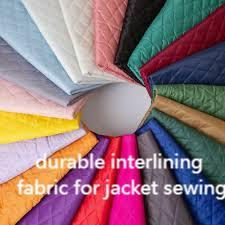
In the apparel industry, internal reinforcement plays a critical role in ensuring clothing maintains its shape, fit, and durability over time. Whether in formal suits or casual wear, the use of Interlining inside garments supports consistent structure and enhanced functionality. Manufacturers rely on interlining to improve visual presentation and ensure garments withstand frequent use, all while maintaining comfort and flexibility.
The Importance of Internal Support in Garments
A garment’s external appearance is only as strong as its internal construction. Without proper reinforcement, collars may curl, waistbands can lose form, and jacket fronts might collapse. Internal materials help retain a sharp look, ensuring garments maintain their intended silhouette even after repeated washing and wear. This added structure improves customer satisfaction and reduces returns.
Material Variations for Diverse Applications
Different fabrics require different types of inner support. Lightweight garments need soft and flexible reinforcement that doesn’t alter drape, while heavy outerwear demands firmer materials to support added weight. Available options include woven, non-woven, and knit bases, allowing manufacturers to select the right structure for each product line. Each type offers specific benefits in terms of strength, texture, and compatibility.
Choosing Between Fusible and Sew-In Methods
The method of applying inner reinforcement depends on the garment’s design and production scale. Fusible materials use heat-activated adhesive to bond with the fabric, offering fast and clean application. Sew-in options, on the other hand, are ideal for delicate or luxury garments that require a softer finish and precise tailoring. Choosing the correct method ensures product integrity and production efficiency.
Sustainable Solutions for Modern Manufacturing
Sustainability is becoming a key factor in textile sourcing. Eco-friendly reinforcement options made from recycled fibers and water-based adhesives allow manufacturers to meet environmental goals without compromising performance. These materials support cleaner production and appeal to fashion brands focused on ethical manufacturing and long-term sustainability strategies.
Global Supply and Consistent Quality
Reliable access to reinforcement materials is essential in today’s competitive market. Consistent product quality, dependable logistics, and technical support enable manufacturers to produce garments that meet brand standards. Whether for high-volume production or small-scale custom work, dependable structural support is crucial for achieving professional results.
For a wide selection of textile reinforcement solutions designed to meet varied manufacturing needs, visit: https://www.interlining-factory.com/product/

 Arabic
 French
 Spanish
 Portuguese
 Deutsch
 Turkish
 Dutch
Dutch
 Italiano
 Russian
 Romaian
 Portuguese (Brazil)
 Greek
Greek