


 Chat Wao
Taoist vs. Buddhist vs. Tibetan Bracelets: Sacred Meanings & Key Differences
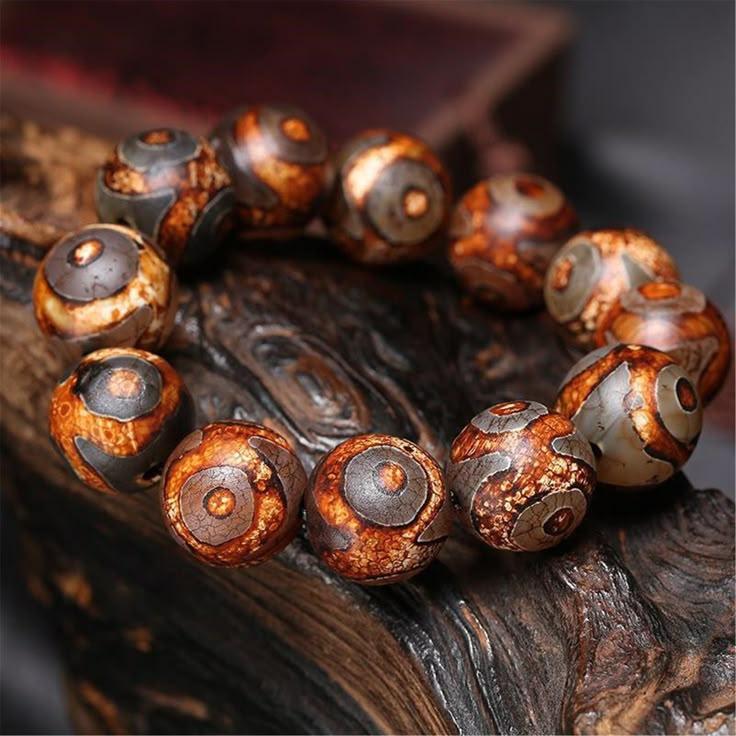
Spiritual bracelets are more than decorative accessories—they're powerful tools rooted in ancient traditions. Among the most recognized types are Taoist bracelets, Buddhist malas, and Tibetan Buddhist prayer beads. While they may appear similar at first glance, each carries distinct meanings, materials, and spiritual practices.
Let’s explore the fundamental differences and subtle similarities between these sacred items.
🧿 1. Taoist Bracelets: Harmonizing with Nature and Energy
Taoist bracelets are often used to:
-
Balance the Five Elements (Wu Xing)
-
Ward off evil (Sha Qi) and attract positive Qi
-
Strengthen personal aura based on feng shui and birth charts
Materials commonly include peach wood, black obsidian, sandalwood, jade, or specific crystals tailored to the wearer’s elemental needs. Taoist bracelets often feature symbols such as the Bagua, Yin-Yang, or celestial talismans like thunder seals or guardian animals.
Their primary focus is external protection and internal alignment with nature’s laws.
📿 2. Buddhist Malas: Mantra Meditation Tools
In Mahayana and Theravada Buddhism, malas (prayer beads) are tools for reciting sutras, mantras, or the Buddha’s name. Typically composed of 108 beads, they represent the 108 afflictions or earthly desires.
Materials include:
-
Bodhi seeds
-
Sandalwood or rosewood
-
Semi-precious stones like amethyst or quartz
These malas are used in meditative counting, helping practitioners focus, recite mantras, and develop inner mindfulness. They emphasize inner purification rather than external defense.
🔱 3. Tibetan Prayer Beads: Power and Devotion Combined
Tibetan Buddhist malas combine mantra practice with symbolic ornamentation. They often include:
-
Tibetan dzi beads, yak bone, coral, or turquoise
-
Elaborate guru beads and counter beads
-
Engravings of mantras like Om Mani Padme Hum
Tibetan malas are used for both personal meditation and ritual empowerment. The design often reflects protective deities, lineage empowerment, and energetic transmission from teachers or rituals.
🔍 Key Differences at a Glance
| Feature | Taoist Bracelet | Buddhist Mala | Tibetan Mala |
|---|---|---|---|
| Primary Purpose | Energy alignment, protection | Mindfulness, mantra counting | Spiritual power, ritual devotion |
| Common Materials | Peach wood, obsidian, jade | Bodhi seeds, wood, crystal | Dzi beads, yak bone, turquoise |
| Symbolism | Five Elements, Bagua, talismans | Lotus, Buddha symbols | Deities, mantras, guru beads |
| Use Method | Feng Shui positioning, daily wear | Reciting sutras, silent meditation | Empowered use during mantra, ritual practice |
💡 Final Insight
While all three types of bracelets hold spiritual significance, their philosophical roots and energetic focus differ. Taoist bracelets align with the environment and your elemental path. Buddhist malas support inner awakening. Tibetan beads combine symbolic strength with mantra power.
👉 Want a Taoist bracelet made with authentic energy principles? Explore curated designs at DaoZeno.com.

 English
 Arabic
 French
 Spanish
 Deutsch
 Turkish
 Dutch
Dutch
 Italiano
 Russian
 Romaian
 Portuguese (Brazil)
 Greek
Greek