


 Chat Wao
Why Do Teapots Change Color? Exploring the Science and Culture Behind Patina
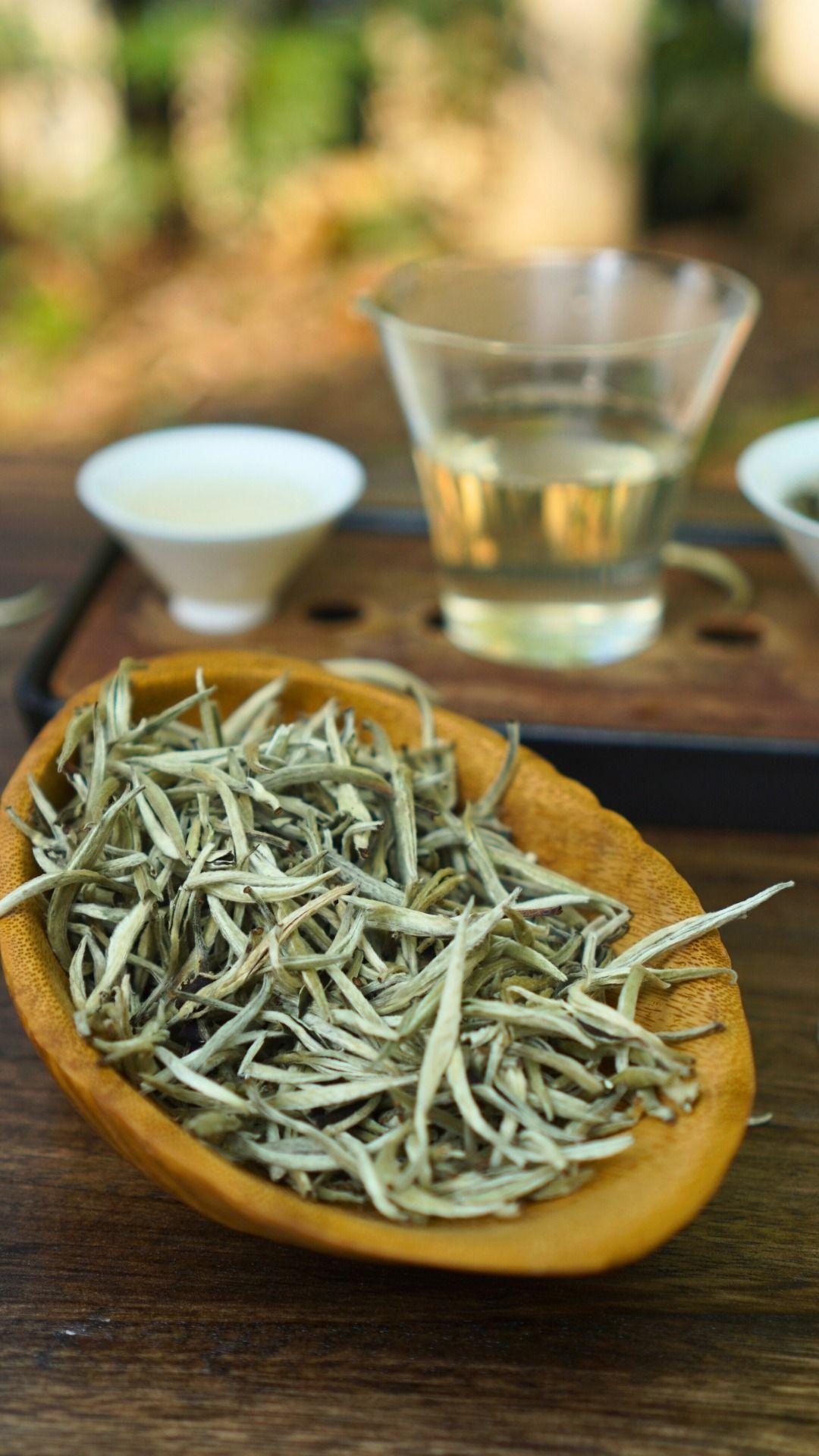
For devoted tea drinkers and collectors, it’s not uncommon to notice a subtle change in the color of their teapots over time. This color transformation, often viewed as a sign of age and refinement, is particularly evident in unglazed teapots like Yixing clay (Zisha) teapots. But what causes these teapots to darken or shift hues? Is it a sign of quality, wear, or even damage?
Let’s explore the reasons behind teapot color changes—from chemistry to tradition.
1. The Nature of Porous Clay
At the heart of many teapot transformations lies the material itself. Yixing clay teapots, for instance, are made from a unique, unglazed purple clay that is highly porous. This means the clay absorbs small amounts of tea oil, water, and heat over time.
As tea is brewed repeatedly in the same pot, a thin, invisible layer of tea residue accumulates within and on the surface of the teapot. This process is called "养壶" (yang hu), or “nurturing the teapot,” in Chinese tea culture.
Over time, this layer enhances the teapot’s sheen and deepens its color—often shifting from reddish brown to dark mahogany, or even black in some cases.
2. Oxidation and Exposure
Clay, especially when unglazed, reacts to its environment. Oxygen, heat, moisture, and sunlight can all play roles in color change. If a teapot is left in a sunlit room or exposed to constant steam, parts of its surface may oxidize more quickly.
This oxidation may cause some unevenness in color or spots where the clay develops a richer tone. It’s not a flaw, but a natural and often beautiful result of usage.
3. Tea Oils and Flavor Memory
Every type of tea—whether green, oolong, pu-erh, or black—contains essential oils. These oils slowly seep into the clay when brewed repeatedly in the same teapot. Over time, this absorption enhances not only the taste of future brews but also leaves behind color tints that match the tea's tone.
A pot used exclusively for aged pu-erh may develop a dark, earthy hue, while one used for green tea might stay lighter.
In fact, many tea masters recommend using a single teapot for each tea type to maintain both color and flavor purity.
4. Human Touch and Care Practices
Believe it or not, your hands also play a role. The act of gently polishing a teapot with a clean, soft cloth after each use—as is customary in traditional tea rituals—can give the pot a smooth, almost glowing patina over time.
Even the oil from your skin can influence the way the teapot darkens, creating a warm, personal mark of long-term use.
5. Misconceptions About Discoloration
It’s important to differentiate between natural patina and actual damage. Staining from mold, acidic residues, or improper storage (such as keeping a teapot damp for weeks) can also cause discoloration, but in a way that is unhealthy and undesirable.
Proper care—emptying, drying, and airing the teapot after use—ensures a safe and aesthetically pleasing transformation.
Conclusion
Teapot color change is not just a chemical reaction—it’s a living record of your tea journey. Especially in Chinese and Japanese tea cultures, a well-used teapot is not “worn” but rather “seasoned,” carrying both visual beauty and spiritual warmth. It’s a story told through clay, time, and tea.
So next time your teapot darkens slightly or catches the light with a new glow, see it as a sign of growth—a teapot aging gracefully with every brew.

 English
 Arabic
 French
 Spanish
 Portuguese
 Deutsch
 Turkish
 Dutch
Dutch
 Italiano
 Russian
 Romaian
 Greek
Greek