


 Chat Wao
Unlocking Garment Potential with Structural Support: Interlining-Factory Innovation
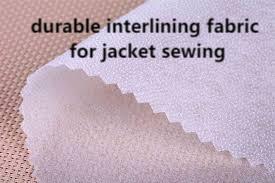
Understanding how Interlining enhances garment performance is essential for modern apparel makers, and manufacturers increasingly leverage Interlining to deliver tailored structure, improved fit, and lasting quality. By placing this supportive layer discreetly between fashion fabrics and linings, design teams achieve crisp silhouettes, reinforce stress points, and ensure consistent wear over countless cycles of use and care.
Structural Integrity and Shape Retention
An internal support layer preserves a garment’s intended form. It distributes tension across collars, cuffs, and waistbands, preventing sagging or distortion. High‑performance fabrics rely on this invisible reinforcement to maintain sharp lines, ensuring that suits, dresses, and outerwear retain their tailored shapes even after repeated laundering and rigorous wear.
Balancing Flexibility and Firmness
Choosing the proper support material involves balancing rigidity with movement. Knitted variants grant stretch for activewear and fitted garments, while woven options offer firm stability for structured pieces. This balance allows designers to mix comfort and precision, enabling garments to move with the wearer without sacrificing the crisp appearance demanded by contemporary fashion.
Innovative Bonding Techniques
Advances in thermal fusing and adhesive lamination have streamlined how support layers adhere to fabrics. Precise heat‑and‑pressure systems create seamless bonds that resist peeling and puckering, while ultrasonic welding introduces needle‑free joins. These methods reduce material waste, shorten production cycles, and deliver finishes that withstand both daily wear and professional cleaning.
Sustainable Material Choices
Eco‑conscious brands are adopting recycled fibers, bio‑based adhesives, and low‑temperature curing processes for internal layers. These green alternatives match or surpass traditional materials in performance, reducing environmental impact. By integrating sustainable practices into reinforcement manufacturing, designers align product quality with responsible resource management.
Collaborative Design Approaches
Partnerships between apparel brands and material specialists foster custom solutions. Co‑development enables tailored weight profiles, bespoke adhesive patterns, and matched textures, delivering reinforcement that complements each collection’s aesthetic. Real‑time feedback loops accelerate innovation, ensuring that garment support materials evolve in step with emerging design trends and functional requirements.Discover detailed insights on support‑layer types, application methods, and emerging trends at
https://www.interlining-factory.com/news/what-is-interlining-types-applications-and-more.html

 English
 Arabic
 French
 Spanish
 Portuguese
 Deutsch
 Turkish
 Dutch
Dutch
 Italiano
 Romaian
 Portuguese (Brazil)
 Greek
Greek