


 Chat Wao
Interlining-Factory’s Mid‑Layer Mastery: Enhancing Apparel Structure With Interlining
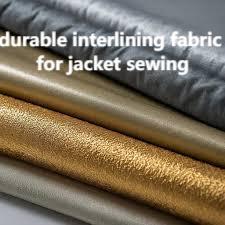
The backbone of professional garment construction lies in the strategic use of Interlining materials to reinforce structure without adding unwanted bulk. When applied correctly, Interlining transforms a mere assembly of fabric panels into a unified piece that maintains its intended shape and drape through repeated wear and laundering. By selecting support textiles that complement outer fabrics, designers ensure precision in collars, cuffs, and lapels—achieving crisp, clean lines and a polished appearance that end users value in both casual and formal attire.
Redefining Garment Stability
A precisely chosen support layer distributes stress along seams and edges, minimizing distortion even under dynamic movements. Lightweight variants impart subtle body to sheer fabrics, lending them a gentle framework that prevents sagging while preserving natural flow. Conversely, medium‑weight options deliver the rigidity necessary for structured silhouettes in blazers and trousers. Matching support characteristics to specific fabric weights allows manufacturers to standardize sizing and reduce costly production inconsistencies.
Integrating Thermal Performance
Beyond reinforcing form, mid‑layer textiles influence how a garment regulates temperature. Porous substrates facilitate airflow in activewear, preventing overheating during vigorous activity. In colder climates, denser constructs lock in warmth without sacrificing breathability. Advanced composite meshes combine moisture‑wicking finishes with insulating cores, delivering dual‑function benefits that keep wearers comfortable across varied climates. This versatility makes these support elements indispensable in athleisure, outerwear, and performance gear alike.
Precision Lamination for Durable Bonds
Creating a seamless bond between layers demands exact control over temperature, pressure, and dwell time. Modern lamination systems use calibrated heat plates and consistent roller pressure to activate adhesives uniformly, preventing wrinkles or weak adhesion spots. When paired with precision rollers, this process yields support fabrics that maintain integrity through countless wash cycles. The result is a garment that looks and feels brand‑new long after its initial purchase, boosting brand reputation and consumer satisfaction.
Sustainable and Eco‑Friendly Innovations
As environmental considerations reshape textile sourcing, recycled fibers and bio‑based polymers gain prominence in support applications. Waterless bonding technologies eliminate harmful solvent emissions, while laser‑perforation techniques enhance moisture management without chemical treatments. Brands adopting these eco‑conscious materials align their offerings with global sustainability targets, appealing to consumers who prioritize both performance and planet‑friendly production.
Quality Control and Compliance
Every production run undergoes rigorous testing to ensure consistent performance. Peel strength trials confirm adhesive bond integrity, while abrasion assessments validate surface durability under real‑world conditions. Certifications such as Oeko‑Tex® Standard 100 and REACH compliance attest to the safety of both materials and finished garments. By enforcing strict quality management protocols, manufacturers mitigate defects, minimize returns, and reinforce consumer trust in their products.
Tailored Support for Diverse Applications
Whether crafting bridal gowns, business attire, or innovative sportswear, garment engineers can tailor support layers to exacting specifications. Custom sampling permits evaluation of hand feel, stiffness, and thermal characteristics before committing to full production. This collaborative approach streamlines workflows and accelerates time‑to‑market, ensuring that each design passes both aesthetic and functional benchmarks.
Incorporating a well‑engineered support layer elevates garment longevity, enhances wearer comfort, and reduces production variability. By understanding material properties, mastering bonding techniques, and embracing sustainable innovations, apparel professionals can deliver clothing that endures style trends and practical demands alike. For comprehensive insights into types, applications, and best practices, visit https://www.interlining-factory.com/news/what-is-interlining-types-applications-and-more.html

 English
 Arabic
 French
 Spanish
 Portuguese
 Deutsch
 Turkish
 Dutch
Dutch
 Russian
 Romaian
 Portuguese (Brazil)
 Greek
Greek