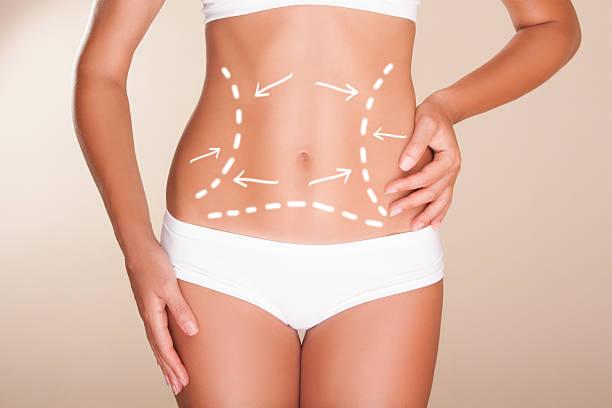
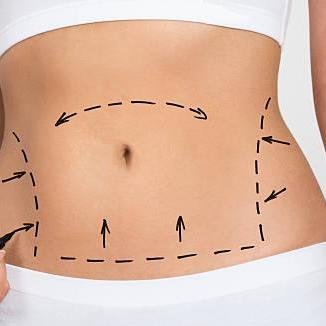
Stubborn fat deposits can affect several areas of the body, making it difficult for some individuals to achieve their desired body shape through diet and exercise alone. Even with consistent physical activity and healthy eating habits, certain areas may retain excess fat because of genetics, hormonal changes, age, and individual fat distribution. This is why body contouring procedures have become an important consideration for people exploring aesthetic treatments.
Modern body contouring approaches offer different ways to address unwanted fat in multiple areas while maintaining natural-looking body proportions. Among these options, liposuction in Riyadh has gained attention for its ability to target specific fat deposits and improve overall body contours. Understanding how the procedure works, which areas can be treated, and what factors influence the results can help individuals make informed decisions.
Understanding Body Contouring Surgery
Body contouring surgery refers to procedures designed to improve the body's shape by addressing excess fat, loose skin, or uneven proportions. These treatments can focus on individual areas or several regions, depending on a person's anatomy, aesthetic goals, and suitability for surgery.
Liposuction is one of the commonly considered surgical approaches for removing localized fat deposits. Rather than serving as a general weight-loss treatment, it focuses on reshaping specific areas where stubborn fat remains.
People researching liposuction in Saudi Arabia often want to understand how surgical fat removal differs from traditional weight-management methods. The main distinction is that liposuction targets particular fat deposits rather than reducing overall body weight. A qualified plastic surgeon evaluates the patient's body structure before recommending an appropriate treatment approach.
Can Liposuction Address Multiple Areas of Stubborn Fat?
Yes, liposuction can address multiple areas during a treatment plan when the patient's health, anatomy, and surgical circumstances make it appropriate. The exact number and combination of areas depend on several considerations, including the amount of fat being removed, the patient's medical history, and the anticipated recovery process.
Common treatment areas include the abdomen, waist, hips, thighs, upper arms, back, and chin. Some individuals may have concerns in more than one region, making a comprehensive body contouring assessment important.
However, treating multiple areas does not automatically mean that every area should be addressed during one operation. Patient safety remains the primary consideration. Surgeons evaluate the total treatment volume, procedure duration, and potential risks before deciding whether combined treatment is suitable.
Which Body Areas Can Be Treated With Liposuction?
Abdomen and Waist
The abdomen and waist are among the frequently considered areas for fat removal. Localized fat around the stomach can sometimes remain despite regular exercise and a balanced diet.
Abdominal liposuction focuses on removing selected fat deposits to create a more refined appearance. Waist contouring may also help improve the transition between the upper body and hips.
The final appearance depends on skin elasticity, abdominal structure, and the amount of fat present. Liposuction does not repair separated abdominal muscles or remove significant excess skin.
Hips and Flanks
Fat deposits around the hips and flanks can influence the body's overall silhouette. These areas are sometimes treated alongside the abdomen to create smoother transitions between different body regions.
A personalized approach is important because removing too much fat from one area can create uneven contours. Surgeons consider the relationship between the waist, hips, and surrounding tissues when planning treatment.
Thighs
The inner and outer thighs may retain localized fat deposits that affect clothing fit and body proportions. Liposuction can help reshape selected areas by reducing excess fat beneath the skin.
Treatment planning considers the natural shape of the legs, skin quality, and the possibility of contour irregularities. Patients with substantial loose skin may require a different surgical approach.
Upper Arms
Excess fat in the upper arms can make the area appear fuller or less defined. Liposuction may be considered when localized fat is present and the skin has sufficient elasticity to adapt to the new contour.
When loose or hanging skin is the main concern, liposuction alone may not provide the desired appearance. An arm lift may be discussed as an alternative or complementary procedure.
Back and Chin
Fat deposits around the upper and lower back can affect the body's outline, while excess fat beneath the chin may influence the appearance of the jawline.
Targeted liposuction can address suitable localized deposits in these areas. The treatment approach depends on individual anatomy, skin characteristics, and the desired level of refinement.
How Modern Liposuction Techniques Support Body Contouring
Advancements in surgical techniques have provided different approaches to removing localized fat. The most appropriate technique depends on the treatment area, the surgeon's expertise, and the patient's individual requirements.
Traditional Liposuction
Traditional liposuction involves making small incisions and inserting a thin tube called a cannula to loosen and remove fat using suction. It remains an established approach for treating different body areas.
The technique can be adapted to specific anatomical regions, allowing surgeons to address localized fat deposits while considering surrounding tissues.
Power-Assisted Liposuction
Power-assisted liposuction uses a mechanically vibrating cannula to help loosen fat during removal. This approach may assist surgeons when treating certain areas or larger treatment regions.
Its suitability depends on the patient's anatomy and the surgeon's assessment. Not every patient requires an assisted technique.
Ultrasound-Assisted Liposuction
Ultrasound-assisted liposuction uses ultrasonic energy to help break down fat before removal. It may be considered for selected treatment areas and particular surgical requirements.
The choice between different techniques should be based on clinical suitability rather than assuming that one method is universally better than another.
Who May Be Suitable for Multiple-Area Liposuction?
Not everyone with stubborn fat deposits is an ideal candidate for surgical body contouring. A proper consultation helps determine whether the procedure is appropriate and whether several areas can be treated safely.
Generally, suitable candidates may have localized fat deposits, relatively stable body weight, good overall health, and realistic expectations about the results.
Skin elasticity is another important consideration. Individuals with good skin elasticity may experience better skin adaptation after fat removal. Those with significant loose skin may need additional treatment options.
People should also understand that liposuction is not designed to treat obesity, replace healthy lifestyle habits, or guarantee permanent weight stability.
What Happens During the Liposuction Procedure?
The treatment process generally begins with a detailed consultation. During this appointment, the surgeon reviews medical history, examines the areas of concern, discusses aesthetic goals, and determines whether the patient is suitable for surgery.
If multiple areas are being considered, the surgeon develops a treatment plan that accounts for the patient's anatomy and safety requirements.
The procedure is performed using an appropriate form of anaesthesia. Small incisions are made in the selected areas, and a cannula is used to remove targeted fat deposits. Compression garments may be recommended after surgery to support healing and help manage swelling.
The duration of surgery varies depending on the number of areas treated and the complexity of the procedure.
Recovery and Results After Multiple-Area Liposuction
Recovery is an important part of the body contouring journey. Patients may experience swelling, bruising, tenderness, and temporary changes in sensation after surgery.
When multiple areas are treated, recovery may require additional attention because several regions need time to heal. Following the surgeon's instructions can help support a smoother recovery.
Compression garments are commonly recommended for a specified period. Patients should also follow medical guidance regarding walking, physical activity, wound care, and returning to normal routines.
Initial changes may become noticeable as swelling decreases, but final contours can take several months to develop. Results vary according to individual healing, skin elasticity, and the amount of fat removed.
Maintaining a stable weight through balanced nutrition and regular physical activity can help preserve the results. Although removed fat cells do not return in the same way, remaining fat cells can still enlarge if significant weight gain occurs.
Important Factors to Consider Before Choosing Liposuction
Before undergoing body contouring surgery, individuals should understand the potential benefits and limitations of the procedure.
Liposuction is a surgical treatment and carries risks, including infection, bleeding, fluid accumulation, contour irregularities, changes in skin sensation, and complications related to anaesthesia. Rare but serious complications can also occur.
Choosing a qualified plastic surgeon with appropriate surgical experience is essential. Patients should ask about the proposed technique, expected outcomes, recovery requirements, possible complications, and whether treating several areas together is appropriate.
A realistic understanding of the procedure helps individuals make decisions based on health, safety, and personal expectations rather than focusing only on cosmetic changes.
Conclusion
Body contouring surgery can address stubborn fat deposits in multiple areas and help create more balanced body proportions. Liposuction offers a targeted approach to removing localized fat from areas such as the abdomen, waist, thighs, arms, back, and chin. However, the suitability of combining treatments depends on individual health, skin elasticity, anatomy, and surgical safety considerations.
For individuals exploring liposuction in Riyadh or researching liposuction in Saudi Arabia, understanding the available techniques, consultation process, and recovery expectations is an important first step. Professional assessment and realistic expectations can help guide appropriate treatment decisions. Enfield Royal Clinic Saudi is one of the names individuals may explore when researching aesthetic and body contouring services in Saudi Arabia, alongside carefully evaluating the qualifications of the treating surgeon and the suitability of the proposed procedure.
Frequently Asked Questions
1. Can liposuction remove stubborn fat from multiple body areas?
Yes. Liposuction can target localized fat deposits in several areas, including the abdomen, waist, thighs, arms, and back. Whether multiple areas can be treated in one operation depends on the patient's health, treatment requirements, and surgical safety considerations.
2. Is liposuction in Riyadh suitable for people who maintain a healthy lifestyle?
Liposuction may be suitable for individuals who maintain a relatively stable weight but have localized fat deposits that remain resistant to diet and exercise. A consultation is necessary to determine individual suitability.
3. Which areas of the body are commonly treated with liposuction in Saudi Arabia?
Common treatment areas include the abdomen, flanks, hips, thighs, upper arms, back, and chin. The recommended areas depend on individual anatomy and aesthetic goals.
4. How long does recovery take after multiple-area liposuction?
Recovery varies depending on the number of areas treated, the surgical technique, and individual healing. Initial recovery may take several weeks, while swelling and final contour changes can continue for several months.
5. Can liposuction help achieve permanent body contouring results?
Liposuction removes fat cells from targeted areas, so the changes can be long-lasting. However, remaining fat cells can enlarge with weight gain. Maintaining a stable weight and healthy lifestyle helps preserve the results.
6. How can someone determine whether multiple-area liposuction is appropriate?
A consultation with a qualified plastic surgeon is the best way to determine suitability. The surgeon evaluates medical history, body composition, skin elasticity, treatment goals, and potential surgical risks before recommending a personalized approach.