

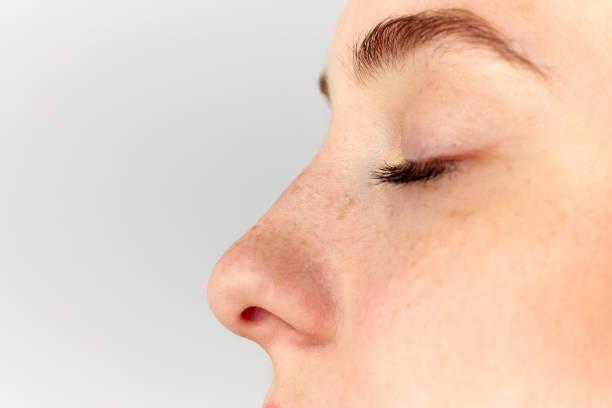
Rhinoplasty is a cosmetic and functional surgical procedure designed to improve the appearance of the nose and, in some cases, address breathing difficulties. Many people consider this treatment because they feel their nose does not complement their facial features or experience concerns related to its shape, size, or structure. However, not everyone is automatically suitable for this procedure. Understanding the eligibility requirements, expectations, and health considerations can help individuals make an informed decision.
When researching rhinoplasty in saudi arabia, patients often want to know whether they are suitable candidates and what factors influence the treatment process. The decision depends on several aspects, including age, general health, nasal structure, breathing concerns, and personal expectations. Learning about these factors before considering surgery can help patients approach the process with greater confidence.
Understanding Rhinoplasty and Its Purpose
Rhinoplasty, commonly known as nose reshaping surgery, involves modifying the nasal structure to achieve a more balanced appearance or improve certain functional concerns. Depending on individual needs, the procedure may address a prominent nasal bridge, a wide nasal tip, asymmetry, a crooked nose, or structural problems affecting airflow.
The treatment is not intended to create the same nose for everyone. Instead, the goal is to consider each patient's facial proportions, nasal anatomy, and personal preferences when developing an appropriate treatment plan.
Who Is a Suitable Candidate for Rhinoplasty in Riyadh?
A suitable candidate is generally someone who has realistic expectations, good overall health, and specific concerns that may be addressed through nasal surgery. Several important factors help determine whether someone is ready for the procedure.
Individuals With Specific Nasal Concerns
People who feel uncomfortable with the appearance of their nose may consider rhinoplasty to improve facial balance. Common concerns include a noticeable nasal hump, a wide nose, an uneven nasal tip, or asymmetry. Individuals who have experienced nasal injuries may also explore treatment to address changes in their nasal appearance.
Adults With Developed Nasal Structures
Nasal development is an important consideration before surgery. Generally, rhinoplasty is recommended after facial growth is complete. This commonly occurs during the teenage years, although the appropriate age can vary between individuals. Younger patients require careful assessment to ensure that their facial and nasal structures have sufficiently developed.
People in Good General Health
Good overall health is another important consideration. Candidates should not have uncontrolled medical conditions that could increase surgical or recovery risks. During an initial consultation, relevant medical history, current medications, allergies, and previous surgical procedures should be discussed.
Individuals With Realistic Expectations
Rhinoplasty can improve certain nasal features, but it cannot guarantee perfection or make someone look exactly like another person. Suitable candidates understand that results depend on their natural anatomy, skin characteristics, and healing process. Having realistic expectations helps individuals make more confident decisions.
Medical and Physical Factors to Consider Before Surgery
Before recommending rhinoplasty, a proper assessment is necessary to understand the patient's nasal anatomy and overall suitability.
Nasal Structure and Skin Thickness
The shape of the nasal bones, cartilage, and surrounding tissues can influence the surgical approach. Skin thickness is also relevant because it affects how changes to the underlying nasal structure become visible. A detailed examination helps determine what improvements may be achievable.
Breathing Difficulties and Nasal Function
Some individuals consider rhinoplasty because they experience difficulty breathing through their nose. Structural concerns, such as a deviated septum, may contribute to these problems. In selected cases, functional nasal surgery may be considered alongside cosmetic changes.
Medical History and Lifestyle
Smoking, certain medications, and existing health conditions can influence surgical safety and healing. Patients should provide accurate information about their medical history and lifestyle habits. Following professional recommendations before and after surgery can support a safer recovery.
Who May Not Be Ready for Rhinoplasty?
Although rhinoplasty can benefit many individuals, certain circumstances may make surgery unsuitable or require additional preparation. People with uncontrolled health conditions, incomplete facial development, or unrealistic expectations may need further evaluation before proceeding.
Individuals experiencing significant emotional distress or feeling pressured by others to change their appearance should also take time to consider their decision. Rhinoplasty should be a personal choice based on informed expectations rather than external pressure.
What to Expect During a Rhinoplasty Consultation?
An initial consultation is an important step in determining whether rhinoplasty is appropriate. During this appointment, the patient's concerns, medical history, and desired outcomes are discussed.
A clinical assessment may include examining the nasal structure, facial proportions, skin characteristics, and breathing function. The treatment options, potential limitations, recovery process, and possible risks are also explained. This discussion allows patients to understand what the procedure involves and whether it aligns with their individual needs.
Frequently Asked Questions About Rhinoplasty
1. How do I know if I am a suitable candidate for rhinoplasty?
You may be suitable if you have specific nasal concerns, good general health, fully developed facial structures, and realistic expectations. A professional assessment is necessary to determine your eligibility.
2. Is rhinoplasty suitable for improving breathing problems?
Yes, certain nasal surgeries can address structural issues that affect breathing. The appropriate approach depends on the underlying cause of the problem.
3. Can rhinoplasty improve facial symmetry?
Rhinoplasty may improve the balance and proportions of the nose, which can contribute to overall facial harmony. However, perfect facial symmetry cannot be guaranteed.
4. How long does recovery from rhinoplasty take?
Initial recovery generally takes a few weeks, although swelling may continue to decrease over several months. Final results can take up to a year or sometimes longer to become fully apparent.
5. Can someone with a previous nose injury undergo rhinoplasty?
Yes, individuals with nasal injuries may be candidates for corrective rhinoplasty. Their suitability depends on the extent of the injury, existing nasal structure, and overall health.
Book Your Rhinoplasty Consultation at Enfield Royal Clinic
Choosing the right treatment begins with understanding your individual needs and expectations. At Enfield Royal Clinic, patients can explore rhinoplasty options through a personalized consultation and professional assessment. If you are considering nose reshaping, schedule a consultation to discuss your concerns, understand the available options, and determine whether rhinoplasty is suitable for you.