

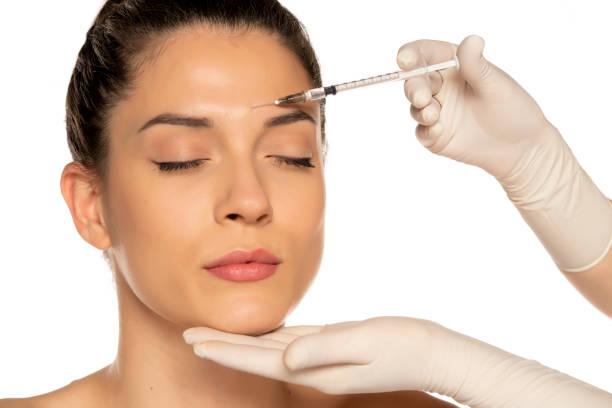
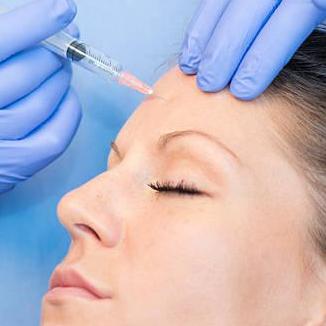
Considering Botox for the first time can bring up several questions about the procedure, preparation, comfort, and expected results. Whether you want to soften forehead lines, reduce frown lines, or improve the appearance of crow's feet, understanding each stage of treatment can make the experience more comfortable. botox riyadh are a non-surgical cosmetic option that temporarily relaxes selected facial muscles to reduce the appearance of expression-related wrinkles. Before your first appointment, it is helpful to understand how the consultation works, what happens during the injections, and how to care for your skin afterward.
Understanding Your First Botox Appointment
Botox is a purified form of botulinum toxin type A used in controlled medical doses. In cosmetic treatments, it temporarily reduces communication between nerves and selected muscles, limiting the contractions responsible for certain facial wrinkles.
The procedure generally involves several small injections into specific muscles. The treatment plan depends on your facial anatomy, muscle activity, skin concerns, and desired appearance.
Unlike surgical procedures, Botox does not require incisions or a lengthy recovery period. However, a proper medical assessment is still important to determine whether the treatment is appropriate.
Step 1: Initial Consultation and Facial Assessment
Your first appointment usually begins with a consultation. The practitioner will ask about your aesthetic concerns and the areas you would like to improve.
Discussing Your Treatment Goals
You may want to reduce forehead lines, soften wrinkles between your eyebrows, or minimize crow's feet around the eyes. Explaining your expectations helps the practitioner understand which areas may benefit from treatment.
It is important to discuss whether you prefer subtle wrinkle reduction or a more noticeable softening effect. The goal should be to maintain natural facial expressions rather than unnecessarily restricting muscle movement.
Reviewing Your Medical History
The practitioner should review your medical history, current medications, allergies, and previous cosmetic treatments. Certain neuromuscular conditions and medications may affect treatment suitability.
You should also disclose whether you are pregnant or breastfeeding. Botox is generally avoided during these periods because adequate safety information is limited.
Examining Facial Movements
The practitioner may ask you to raise your eyebrows, frown, smile, or close your eyes. These movements help identify the muscles responsible for the wrinkles and determine appropriate injection locations.
This assessment supports a personalized treatment plan based on your natural facial structure.
Step 2: Preparing for the Injection Procedure
Once the treatment plan is established, the practitioner prepares the selected areas for injections. The skin is usually cleaned to reduce the risk of infection.
A topical numbing product or another comfort measure may be considered if needed, although many patients tolerate the injections without anesthesia. Botox is generally administered using a fine needle, so discomfort is often brief.
Patients should follow any preparation instructions provided by their practitioner. It is particularly important to disclose medications and supplements that may increase bruising. Do not stop prescribed medication unless your healthcare professional advises you to do so.
Step 3: Receiving the Botox Injections
During the procedure, small amounts of Botox are injected into the selected muscles. The number of injections depends on the areas being treated and the individual's facial anatomy.
Forehead Treatment
Forehead injections target muscles responsible for horizontal expression lines. The practitioner carefully selects injection points to soften these lines while preserving appropriate eyebrow movement.
Frown Line Treatment
Injections between the eyebrows target the muscles responsible for vertical frown lines. Relaxing these muscles may create a less tense appearance.
Crow's Feet Treatment
For wrinkles around the outer corners of the eyes, small injections may be placed in selected muscles that contribute to smiling and squinting lines. Precise placement is important to maintain natural eye and facial movement.
The procedure is generally completed within a relatively short appointment, although the duration varies depending on the number of areas treated.
Does the First Botox Appointment Hurt?
Most patients describe Botox injections as brief pinches, small stings, or mild discomfort. The sensation can vary depending on individual sensitivity and the treatment area.
Because the needle is fine and the injections are small, significant pain is uncommon. Some people may notice slight tenderness, redness, or swelling immediately afterward.
If you feel uncomfortable during the procedure, inform the practitioner. They can explain the process and discuss appropriate comfort measures.
Step 4: What Happens Immediately After Treatment?
After the injections, you can usually return to routine activities. Small raised areas, mild redness, or minor swelling may appear at the injection sites but often settle relatively quickly.
Your practitioner may recommend specific aftercare measures, such as:
-
Avoiding rubbing or massaging the treated areas immediately afterward
-
Following instructions about strenuous exercise and physical activity
-
Avoiding unnecessary pressure on the injection sites
-
Waiting for the recommended period before using certain facial treatments
-
Contacting the practitioner if unusual symptoms develop
You should follow the instructions provided for your specific treatment rather than relying on general advice from other patients.
When Will You Notice the Results?
Botox does not produce its full effect immediately. The muscle-relaxing action develops gradually over several days, and visible changes commonly become clearer within 10 to 14 days.
The duration of results varies, but many patients experience effects for approximately three to four months. Factors such as the treatment area, muscle activity, dosage, and individual response can influence how long the results last.
A follow-up assessment may be recommended to evaluate the outcome and discuss whether any further treatment is appropriate.
Possible Side Effects After Your First Appointment
Botox is generally well tolerated when administered by a qualified medical professional. However, temporary side effects can occur.
Common reactions include mild bruising, redness, swelling, tenderness, or headache. Less common complications may involve eyelid or eyebrow drooping, facial asymmetry, or unwanted changes in muscle movement.
Rarely, botulinum toxin effects can spread beyond the injection site and cause symptoms such as difficulty swallowing, speaking, or breathing. Seek immediate medical attention if these symptoms occur.
Choosing an experienced practitioner and sharing complete medical information can help support safer treatment planning.
How to Prepare for Future Botox Sessions
If you are satisfied with your results, you can discuss future appointments with your practitioner. Since the effects are temporary, repeat treatment may be considered when muscle activity gradually returns.
There is no universal schedule that suits everyone. The timing should be based on your response, treatment goals, and medical advice. Avoid receiving injections more frequently than recommended.
Plan Your First Botox Appointment at Royal Clinic Saudia
Your first cosmetic treatment should begin with a clear understanding of the procedure, expected results, and possible risks. At Royal Clinic Saudia, patients can discuss their facial concerns, learn about the injection process, and receive guidance based on their individual needs. A professional consultation can help determine whether Botox Injections in Riyadh are suitable for softening expression lines while maintaining a balanced and natural-looking appearance.