


 Chat Wao
Smart Reinforcement Techniques by INTERLINING‑FACTORY Empower Modern Wardrobes
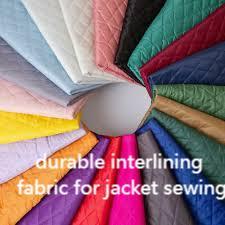
In contemporary fashion production, Interlining serves as the unseen architect that brings structure, resilience, and refined finish to every piece. By tucking this component between the visible fabric and the lining, designers achieve precise tailoring and enhanced wearability without adding bulk. Early adoption in haute couture has now trickled down to ready‑to‑wear collections, where durability and comfort are equally prized.
Structural Support for Enhanced Silhouettes
Tailoring aficionados understand that a garment’s silhouette relies as much on hidden reinforcement as on the outer textile. Strategic placement of supportive layers ensures that collars stand tall, lapels lie flat, and waistbands remain snug. These internal elements absorb tension and preserve the intended shape, allowing garments to look crisp even after multiple wears.
Streamlined Production via Heat‑Bond Technology
Advances in heat‑bond processes have revolutionized assembly lines. Rather than stitching every reinforcement panel, manufacturers now employ heat‑activated adhesives that fuse support layers in a single press. This method cuts sewing time, lowers labor costs, and yields consistent adhesion—resulting in faster turnaround without sacrificing quality.
Balancing Reinforcement with Breathability
Modern consumers demand both form and function. To meet this, material scientists have developed lightweight, breathable substrates that provide strength without restricting airflow. This innovation keeps garments cool and comfortable, even under challenging conditions, making them ideal for activewear and warm‑weather collections.
Adapting to Varied Fabric Weights
The diversity of contemporary textiles—from fine silks to rugged denims—requires equally varied internal solutions. Lightweight weaves call for delicate support materials that maintain drape, while heavier fabrics benefit from sturdier backings to prevent sagging. By matching support properties to fabric characteristics, producers achieve optimal cohesion and performance.
Sustainability in Component Selection
Environmental considerations have driven a shift toward eco‑friendly alternatives. Biodegradable adhesives, recycled fibers, and solvent‑free bonding techniques now feature prominently in production. This eco‑conscious approach reduces waste, curbs energy consumption, and aligns textile manufacturing with global sustainability targets.
As fashion continues its evolution, these concealed layers remain vital to garment excellence—combining aesthetics, functionality, and responsibility in every stitch. To explore detailed insights on types, applications, and innovations, visit
https://www.interlining-factory.com/news/what-is-interlining-types-applications-and-more.html

 English
 Arabic
 French
 Spanish
 Portuguese
 Deutsch
 Turkish
 Dutch
Dutch
 Italiano
 Romaian
 Portuguese (Brazil)
 Greek
Greek