Sleep is fundamental to our health and well-being, yet many struggle to achieve restful nights. While various factors influence sleep, light exposure plays a significant role. This article explores how strategically chosen curtains can transform your bedroom into a sanctuary of darkness, promoting better sleep quality and enhancing your overall health.
Light's Impact on Sleep: Our bodies naturally regulate sleep-wake cycles through melatonin, a hormone produced in darkness. Exposure to light, especially blue light from electronic devices and sunlight, suppresses melatonin production, hindering sleep onset and impacting sleep quality. Creating a dark sleep environment is therefore crucial for optimal rest.
Curtains: Your First Line of Defense Against Light:
Curtains are a primary tool for controlling light
in the bedroom. Different types of curtains offer varying degrees of light blocking:
-
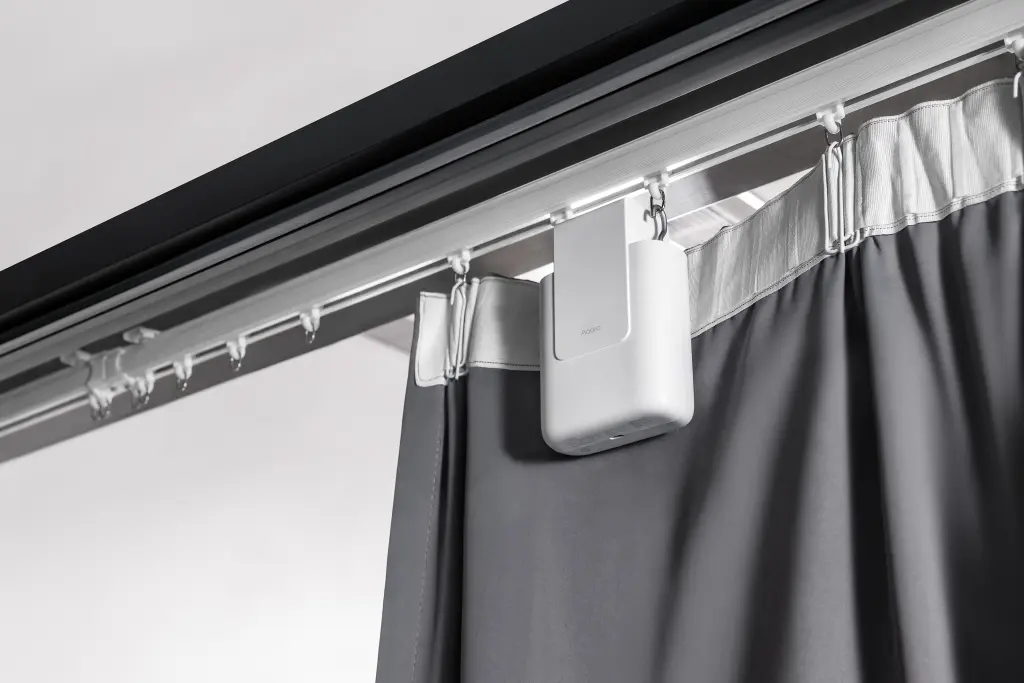
Blackout Curtains: These are specifically designed to block out light, creating a completely dark environment ideal for sleep. Their dense fabric and often light-blocking lining minimize light penetration, even on bright mornings.
-
Light-Filtering Curtains: These curtains allow some light to filter through while still reducing the intensity of sunlight. They offer a balance between light and privacy, suitable for those who prefer a dimly lit room.
-
Sheer Curtains: Sheer curtains offer minimal light blocking and privacy and are not ideal for creating a dark sleep environment. They may be suitable for layering with blackout curtains for added light control.
Creating a Sleep-Promoting Environment with Curtains:
The right curtains can significantly improve sleep quality by:
-
Optimizing Melatonin Production: By blocking out light, blackout curtains promote melatonin production, facilitating faster sleep onset and deeper sleep.
-
Minimizing Sleep Disruptions: External light sources like streetlights or early morning sunlight can disrupt sleep. Blackout curtains minimize these disturbances, leading to more consolidated sleep.
-
Enhancing Relaxation: A dark and quiet bedroom is conducive to relaxation and sleep. Blackout curtains contribute to this by reducing visual and light-related stimuli.
-
Choosing the Right Curtains for Restful Sleep:
When selecting curtains for better sleep, consider:
-
Light Blocking Capability: Prioritize blackout curtains for maximum light control.
-
Fabric Weight and Density: Heavier fabrics generally provide better light blocking and insulation.
-
Lining: A high-quality blackout lining is crucial for optimal performance.
-
Installation: Proper installation minimizes light leakage.
-
Room Size and Light: In smaller rooms or rooms with limited natural light, lighter-weight blackout curtains might be preferable.
Investing in the right curtains is a simple yet effective way to improve sleep quality and overall well-being. By creating a dark and peaceful sleep environment, you can significantly enhance your rest and contribute to better health. Remember to check out the
Mid-Year Grand Sale for potential savings on high-quality curtains.



 Chat Wao

 English
 Arabic
 French
 Portuguese
 Deutsch
 Turkish
 Dutch
Dutch
 Italiano
 Russian
 Romaian
 Portuguese (Brazil)
 Greek
Greek