

Understanding Modern Fat Removal and Body Sculpting
Achieving a well-proportioned body is a goal for many individuals who want to improve their physical appearance and feel more comfortable with their body shape. However, certain fat deposits can remain noticeable despite regular exercise and a balanced diet. These areas may develop around the abdomen, waist, thighs, hips, arms, and back, making it difficult to achieve the desired body contours.
Modern cosmetic surgery offers different approaches to addressing these concerns, with liposuction being one of the most recognized procedures for targeted fat removal. Liposuction in Riyadh (عملية شفط الدهون في الرياض) has become an important consideration for individuals exploring surgical body contouring options and seeking a better understanding of how advanced techniques work.
Rather than focusing on overall weight reduction, liposuction is designed to remove localized fat deposits and refine specific body areas. Understanding the procedure, available techniques, treatment suitability, and recovery process can help individuals make informed decisions about their body contouring goals.
What Is Precision-Based Liposuction?
Precision-based liposuction refers to an approach that focuses on carefully removing unwanted fat while considering the body's natural shape and proportions. The objective is not simply to reduce fat volume but to create smoother transitions between treated and untreated areas.
During the procedure, a surgeon uses specialized instruments called cannulas to remove excess fat from selected areas. These instruments are introduced through small incisions, allowing targeted fat removal beneath the skin.
The amount and location of fat removed depend on individual anatomy, skin elasticity, and the desired contour. Careful surgical planning is essential because removing too much fat or treating an area unevenly can affect the final appearance.
With Liposuction in Riyadh, individuals can explore different surgical approaches based on their body structure and aesthetic concerns. A personalized assessment helps determine whether the procedure is appropriate and which areas may benefit from treatment.
How Liposuction Helps Improve Body Contours
Body contouring involves improving the shape and proportions of specific areas rather than focusing exclusively on body weight. Liposuction can help address localized fat deposits that create unwanted fullness or affect the natural definition of the body.
For example, fat accumulation around the abdomen may make the waistline appear less defined. Similarly, excess fat around the hips or thighs can influence the overall balance of the lower body. Targeted fat removal may help refine these areas and create more balanced proportions.
The procedure can also address multiple areas during an appropriately planned treatment, depending on the patient's health, surgical requirements, and safety considerations.
It is important to understand that liposuction is not a treatment for obesity or a replacement for healthy lifestyle habits. Its primary purpose is to improve localized body contours in suitable candidates.
Common Body Areas Treated With Liposuction
Abdominal Fat Removal
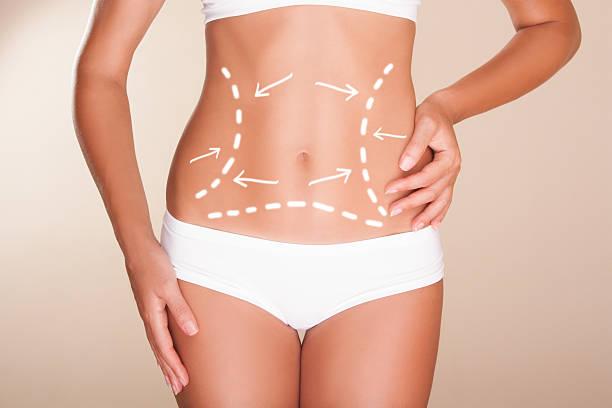
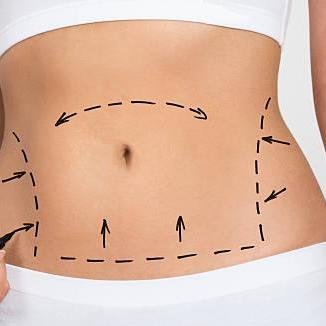
The abdomen is one of the most commonly considered areas for liposuction. Persistent fat deposits around the upper and lower abdomen can affect the appearance of the waistline, even when someone maintains an active lifestyle.
Liposuction can remove selected fat deposits to create a flatter and more defined abdominal appearance. However, individuals with significant loose skin or weakened abdominal muscles may require a different or additional surgical approach.
Waist and Flank Contouring
Fat accumulation around the waist and flanks can affect the body's overall silhouette. These areas are sometimes referred to as love handles because they create additional fullness along the sides of the torso.
Targeted fat removal may help improve waist definition and create smoother transitions between the abdomen and hips.
Thigh and Hip Sculpting
The thighs and hips can develop localized fat deposits that influence lower-body proportions. Liposuction may be considered to refine the inner thighs, outer thighs, or selected hip areas.
The treatment plan should account for natural body structure to avoid uneven contours or excessive fat removal.
Arm Fat Reduction
Excess fat around the upper arms can create a fuller appearance. Liposuction may help reduce localized fat in suitable individuals who have sufficient skin elasticity.
People with significant loose skin may need additional procedures because removing fat alone does not reliably correct skin laxity.
Back and Chin Contouring
Liposuction may also address selected areas of the back, including localized fat around the bra line. Small-volume fat removal can also be considered beneath the chin to improve the appearance of the jawline in suitable candidates.
The appropriate technique depends on the treatment area, underlying anatomy, and individual aesthetic objectives.
Understanding Modern Liposuction Techniques
Advancements in cosmetic surgery have introduced different liposuction techniques designed to support controlled fat removal. Each method has specific characteristics, and the most appropriate option depends on the patient's anatomy and the surgeon's assessment.
Traditional Suction-Assisted Liposuction
Traditional suction-assisted liposuction uses a cannula connected to a suction device to remove unwanted fat. The surgeon carefully moves the instrument through the targeted area to extract fat and refine the surrounding contours.
This established technique can be used for different body areas and remains an important approach in surgical fat removal.
Ultrasound-Assisted Liposuction
Ultrasound-assisted liposuction uses ultrasonic energy to help loosen fat cells before they are removed. This approach may be considered for selected areas and particular types of fat deposits.
Its suitability depends on the treatment area, patient characteristics, and the surgeon's experience with the technique.
Laser-Assisted Liposuction
Laser-assisted liposuction uses laser energy to help disrupt fat cells before removal. Some approaches may also produce thermal effects in surrounding tissues.
However, the degree of skin tightening and the expected results vary. Patients should discuss potential benefits and limitations rather than assuming that laser-assisted treatment guarantees tighter skin.
Power-Assisted Liposuction
Power-assisted liposuction uses a mechanically powered cannula that moves rapidly to assist fat removal. It can help surgeons work through targeted areas with controlled instrument movements.
The technique may be useful in selected procedures, depending on the amount of fat and the body region being treated.
Who Is a Suitable Candidate for Liposuction?
Not everyone with unwanted body fat is automatically a suitable candidate for surgery. A detailed medical and physical assessment is necessary before considering liposuction.
Generally, suitable candidates are individuals who are relatively close to their target weight, have localized fat deposits, and maintain reasonably good skin elasticity.
Overall health is another important consideration. Certain medical conditions, smoking habits, medications, and previous surgical procedures may influence surgical risks and recovery.
Individuals should also have realistic expectations. Liposuction can improve specific body contours, but it cannot guarantee perfect symmetry or completely transform someone's body shape.
A consultation for Liposuction in Riyadh provides an opportunity to discuss personal goals, medical history, available techniques, and the potential limitations of treatment.
The Importance of Personalized Surgical Planning
Every individual has a different body structure, fat distribution pattern, and skin condition. Therefore, an effective liposuction plan should be based on individual requirements rather than applying the same approach to every patient.
During the initial assessment, the surgeon may examine the thickness and distribution of fat, skin elasticity, body proportions, and the areas the patient wants to improve.
The discussion may also include the expected degree of contour improvement, possible complications, anesthesia requirements, and recovery considerations.
Surgical planning is particularly important when multiple body areas are being treated. The surgeon must consider the total amount of fat removed and the patient's overall safety.
When exploring Liposuction in Saudi Arabia, patients should prioritize qualified surgical professionals, appropriate medical facilities, transparent communication, and individualized treatment recommendations.
What to Expect During Liposuction Recovery
Recovery after liposuction varies depending on the treatment area, surgical technique, and amount of fat removed. Understanding the healing process can help patients prepare for the procedure and follow appropriate aftercare instructions.
Swelling, bruising, tenderness, and temporary changes in skin sensation are common during the initial recovery period. These effects generally improve gradually as the body heals.
Compression garments are often recommended to help manage swelling and support the treated areas. Patients should follow their surgeon's instructions regarding how long to wear them.
Light daily activities may be resumed according to medical advice, while strenuous exercise and heavy physical activity should be avoided until the surgeon confirms that they are appropriate.
The initial contour changes may become noticeable as swelling decreases. However, the final appearance can take several months to develop fully.
Follow-up appointments are important because they allow the medical team to monitor healing and identify any concerns that require attention.
Potential Risks and Important Considerations
Although liposuction is a commonly performed cosmetic procedure, it is still surgery and carries potential risks. Understanding these risks is an essential part of informed decision-making.
Possible complications include infection, bleeding, fluid accumulation, changes in skin sensation, contour irregularities, and unfavorable scarring. More serious complications, including blood clots, anesthesia-related problems, and fat embolism, are uncommon but can be dangerous.
The risk level depends on individual health, the treatment area, the amount of fat removed, and the surgical circumstances.
Patients should discuss all relevant risks with their surgeon before proceeding. They should also understand the recovery requirements and follow medical instructions carefully.
How to Maintain Liposuction Results
Liposuction removes fat cells from selected areas, but it does not prevent future weight gain. Remaining fat cells can increase in size if body weight rises significantly after treatment.
Maintaining a stable weight is therefore important for preserving the results. A balanced diet, regular physical activity, adequate hydration, and healthy daily habits can support long-term body management.
Patients should also remember that natural aging and changes in skin elasticity may influence body contours over time.
Liposuction in Saudi Arabia should be viewed as a body contouring procedure rather than a substitute for long-term health and fitness practices.
Frequently Asked Questions
What Is the Main Purpose of Liposuction in Riyadh?
The main purpose of liposuction is to remove localized fat deposits and improve the contours of selected body areas. It is designed for body shaping rather than significant weight loss.
Which Areas Can Be Treated With Liposuction in Riyadh?
Common treatment areas include the abdomen, waist, flanks, thighs, hips, upper arms, back, and chin. The appropriate areas depend on individual anatomy and medical suitability.
Is Liposuction in Saudi Arabia Suitable for Everyone?
No. Suitable candidates generally have localized fat deposits, stable body weight, reasonable skin elasticity, and good overall health. A medical consultation is necessary to determine eligibility.
How Long Does It Take to Recover After Liposuction?
Recovery varies according to the procedure and individual healing. Many patients gradually return to routine activities within days or weeks, while swelling and final contour changes may take several months to settle.
Does Liposuction Permanently Remove Fat?
The fat cells removed during liposuction are generally permanently eliminated. However, remaining fat cells can enlarge with weight gain, potentially affecting the treated areas and overall body shape.
What Is the Difference Between Liposuction and Weight Loss?
Weight loss generally reduces body fat throughout the body, whereas liposuction specifically targets localized fat deposits. It is intended to improve body contours and is not considered an obesity treatment.
Conclusion
Precision-based fat removal has become an important part of modern body contouring because it allows surgeons to address specific areas of unwanted fat while considering natural body proportions. Understanding the available techniques, treatment suitability, surgical planning, and recovery requirements can help individuals approach cosmetic surgery with realistic expectations.
For those researching Liposuction in Riyadh or exploring Liposuction in Saudi Arabia, choosing an appropriate treatment approach requires careful consideration of personal goals, medical suitability, and professional surgical expertise. A qualified surgeon can explain the available options and help determine whether liposuction is an appropriate solution.
Enfield Royal Clinic Saudi is a name individuals may encounter when researching cosmetic and body contouring services. Those interested in exploring liposuction can use a professional consultation to discuss their concerns, understand available treatment approaches, and make informed decisions about achieving balanced and natural-looking body contours.