


 Chat Wao
Puzzle Boards as Living-Room Centerpieces: How a Flat Surface Became the Heart of the Home
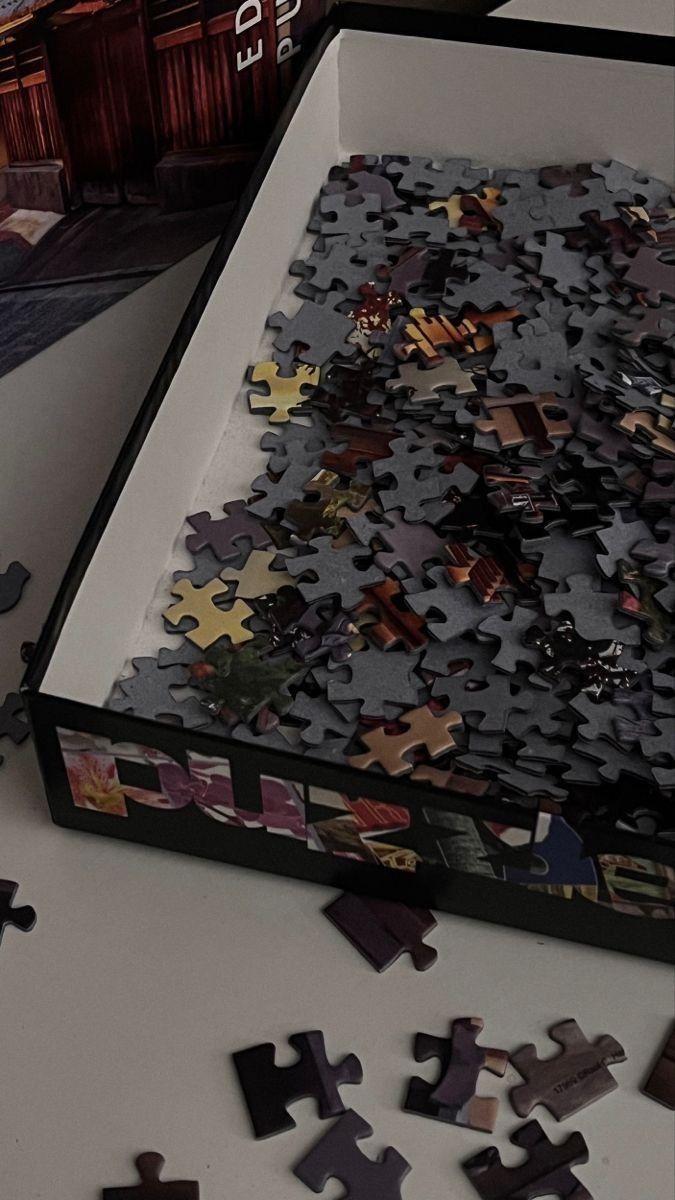
Walk into any Scandinavian-inspired apartment today and you’ll notice a new piece of “furniture” stealing the spotlight: a puzzle board propped on a low coffee table, its half-finished landscape glowing under a pendant lamp. Far from the flimsy cardboard trays of the 1980s, today’s puzzle boards are design statements—equal parts workstation, conversation starter, and kinetic art. In this article we trace the aesthetic evolution, material science, and social psychology that have elevated the puzzle board from hobby accessory to living-room hero.
-
From Lapboard to Lifestyle Object
In the post-war era, puzzle boards were utilitarian—thin masonite sheets with a lip to keep pieces from sliding onto shag carpet. The 1990s introduced folding legs and felt linings, but the form remained strictly functional. The shift began around 2014, when Instagram influencers began posting pastel-filtered shots of puzzle progress. Suddenly, the board itself became a prop—its grain, color, and silhouette mattered as much as the image being assembled. -
Material Science Meets Interior Design
• Bamboo: lightweight, sustainable, and naturally anti-static—ideal for renters who move often.
• Linen-Wrapped Birch: adds tactile warmth and absorbs glare from overhead LEDs.
• Aluminum Honeycomb: aerospace-grade core prevents warping in humid climates.
Finish options now range from matte charcoal to terrazzo resin, allowing homeowners to match boards to sofa upholstery or wall art. -
Ergonomic Innovation
Modern boards feature adjustable legs that transform from coffee-table height (18 in) to standing-desk height (42 in), reducing neck strain during marathon builds. Magnetic side trays sort edge pieces by color, while a discreet cup-holder cutout prevents coffee catastrophes. One Kickstarter darling even integrates a 2700 K LED strip around the perimeter, eliminating the need for harsh overhead lighting. -
Color Theory & Décor Integration
Designers now curate puzzle boards the same way they curate coffee-table books. Neutral palettes—stone gray, warm walnut, matte black—complement Scandinavian minimalism, while jewel-tone vegan leather pops against mid-century teak. The board becomes kinetic art: half-finished puzzles act as evolving centerpieces, prompting guests to rotate the board and contribute a piece or two. -
Storage Without Sacrifice
Traditional boards demanded you break up the puzzle for storage. Today’s boards slide vertically into custom cabinets like vinyl records. A silicone band secures loose sections, and a dust-proof acrylic lid preserves progress. For maximalists, wall-mounted magnetic frames allow a finished 1,000-piece puzzle to levitate ½ inch off the wall, casting a subtle shadow that screams gallery chic. -
Tech Hybrids
Bluetooth-enabled boards track sorting time via pressure-sensitive mats, syncing to an app that graphs your “puzzle velocity.” Gamers compete online to see who can finish the same 500-piece gradient puzzle fastest, all while seated at the same physical board. The data also informs manufacturers about which tray sizes users prefer, iterating future designs in near-real time. -
Sustainability Spotlight
Eco-conscious brands now plant a tree for every board sold and offer end-of-life buy-back programs. Old boards are shredded into mulch for community gardens, completing a cradle-to-cradle loop. -
Shopping Guide
• Beginners: Look for 1,000-piece capacity, felt liner, and foldable legs under $80.
• Enthusiasts: Invest in aluminum cores with modular trays around $200.
• Collectors: Limited-edition artist collaborations—hand-numbered and signed—start at $400. -
DIY Upgrades
Add peel-and-stick LED strips to an IKEA Lack table, or decoupage vintage maps onto a thrift-store tray for a custom conversation piece.
Conclusion
The puzzle board has transcended its utilitarian roots to become a cultural artifact that bridges design, wellness, and social connection. Whether bamboo or brushed steel, it invites us to slow down, piece together fragments, and—quite literally—build beauty in real time.
The puzzle board has transcended its utilitarian roots to become a cultural artifact that bridges design, wellness, and social connection. Whether bamboo or brushed steel, it invites us to slow down, piece together fragments, and—quite literally—build beauty in real time.

 English
 Arabic
 Spanish
 Portuguese
 Deutsch
 Turkish
 Dutch
Dutch
 Italiano
 Russian
 Romaian
 Portuguese (Brazil)
 Greek
Greek