The linear motion landscape is in a perpetual state of evolution, with ongoing advancements in materials, manufacturing processes, and integrated technologies. These advancements are particularly evident in guide rail technology, where innovations are driving improvements in precision, load capacity, speed, and durability. This article explores the future of guide rails, examining the emerging technologies and trends that are poised to shape the industry.
Emerging Technologies Reshaping Guide Rail Design and Manufacturing
- Additive Manufacturing (3D Printing): 3D printing is revolutionizing the way guide rails are designed and manufactured, enabling the creation of complex geometries and customized designs that were previously unattainable. 3D-printed guide rails can be optimized for specific load conditions and performance requirements, opening up new possibilities for tailored solutions.
- Smart Rails with Integrated Sensors: The integration of sensors directly into guide rails enables real-time monitoring of critical performance parameters, such as load, speed, vibration, and temperature. This data can be leveraged to optimize system performance, predict maintenance needs, and proactively prevent failures, minimizing downtime and maximizing efficiency.
- Self-Lubricating Rails: The development of self-lubricating materials and coatings is reducing the reliance on external lubrication in guide rail systems. This simplifies maintenance procedures and minimizes the risk of contamination, making these rails ideal for sensitive environments.
- Active Vibration Damping: Active vibration damping systems employ sensors and actuators to counteract vibrations in guide rails, enhancing accuracy and stability in high-speed applications. This technology is particularly valuable in industries where precision is paramount, such as semiconductor manufacturing and medical device production.
Advanced Materials: Paving the Way for Enhanced Performance
- Ceramic Composites: Ceramic composites offer exceptional stiffness, wear resistance, and thermal stability, making them ideally suited for high-precision guide rail applications. Their ability to withstand extreme conditions makes them a valuable asset in demanding industrial environments.
- Lightweight Alloys: The utilization of lightweight alloys, such as aluminum-lithium alloys, is reducing the overall weight of guide rails, leading to improved energy efficiency and reduced inertia. This is particularly beneficial in applications where speed and agility are critical.
- Shape Memory Alloys: Shape memory alloys can be employed to create self-adjusting guide rails that automatically compensate for thermal expansion and other dimensional changes, ensuring consistent performance across a wide range of operating conditions.
Applications Driving Innovation in Guide Rail Technology
Several key applications are driving innovation in the guide rail industry:
- High-Speed Machining: The relentless pursuit of higher throughput in manufacturing is driving the development of guide rails capable of operating at elevated speeds and accelerations, enabling faster production cycles and increased efficiency.
- Precision Automation: The increasing adoption of automation in industries such as electronics and pharmaceuticals is fueling the demand for guide rails with enhanced accuracy and repeatability, ensuring consistent product quality and minimizing errors.
- Robotics: Guide rails serve as essential components in robotic systems, and advancements in robotics are driving the development of smaller, lighter, and more precise guide rails, enabling robots to perform increasingly complex tasks with greater dexterity.
- Medical Devices: The stringent requirements for precision, reliability, and cleanliness in medical devices are driving innovation in guide rail materials and designs, ensuring patient safety and optimal performance.
Yinhe Precision Transmission: Shaping the Future of Linear Motion
Companies like Yinhe Precision Transmission are playing a pivotal role in shaping the future of guide rails. By investing in research and development, embracing new technologies, and prioritizing customer needs, they are contributing to the creation of innovative linear motion solutions that meet the evolving demands of modern industries.
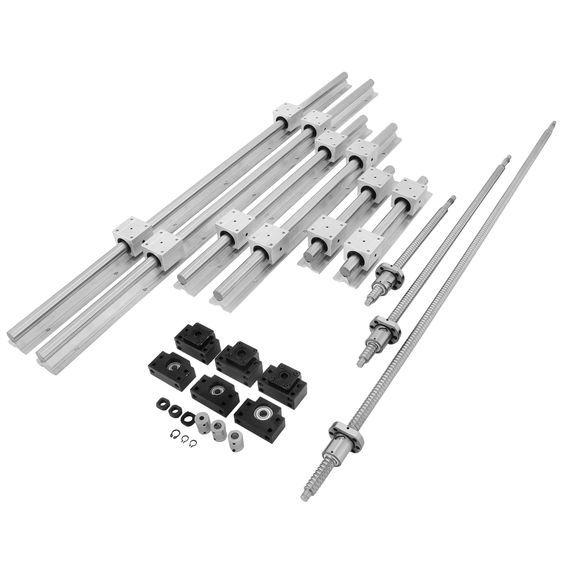
Yinhe's commitment to quality, innovation, and customer service positions them as a key player in the dynamic guide rail landscape. Their adjustable guide rail sliders are designed for precision movement in equipment, and can replace linear guide rail sliders from brands like Hiwin.
Conclusion
The future of guide rails is brimming with possibilities, with ongoing innovations in materials, manufacturing processes, and integrated technologies poised to deliver significant improvements in performance, efficiency, and reliability. As industries continue to push the boundaries of what's possible, the guide rail will remain a critical component, driving innovation and enabling new frontiers in linear motion technology.



 Chat Wao


 English
 Arabic
 Spanish
 Portuguese
 Deutsch
 Turkish
 Dutch
Dutch
 Italiano
 Russian
 Romaian
 Portuguese (Brazil)
 Greek
Greek