

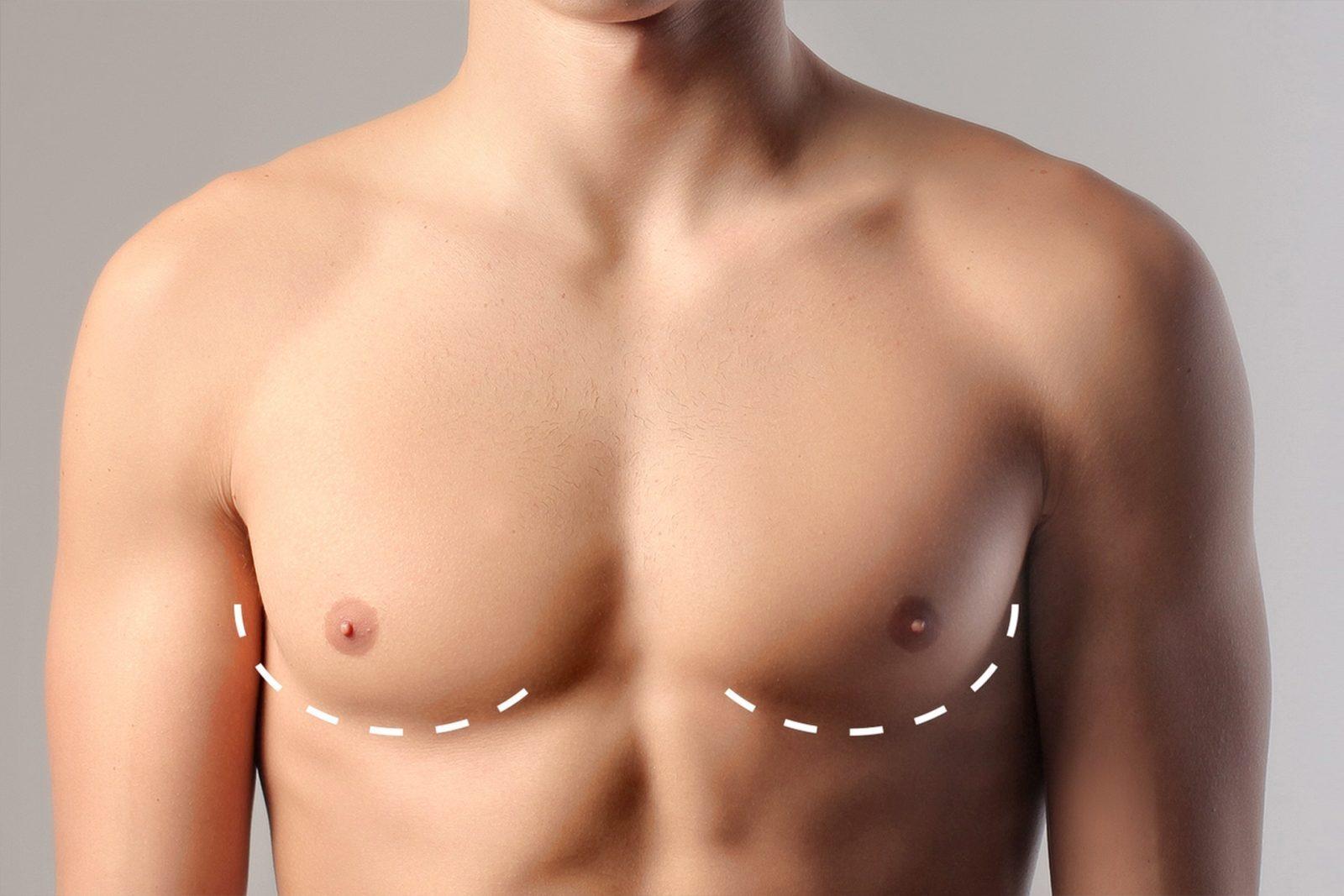
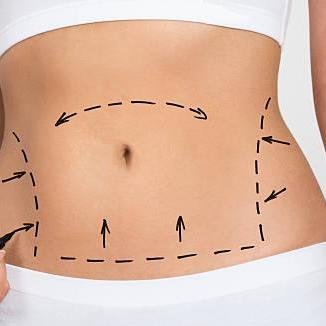
Male breast enlargement is a concern that can affect confidence, body image, and personal comfort. However, not every man experiences the same changes in chest appearance. Some develop excess fatty tissue, while others have enlarged glandular tissue or a combination of both. These differences play an important role in determining the most appropriate treatment approach.
Gynecomastia Surgery in Riyadh is an option for men seeking to address persistent breast enlargement and achieve a flatter, more proportionate chest appearance. The surgical approach depends on several factors, including chest anatomy, tissue composition, skin elasticity, and individual aesthetic goals. Understanding these differences can help patients make informed decisions about treatment.
Understanding Why Male Chest Types Differ
Male chest appearance varies naturally from one individual to another. While some men have a naturally fuller chest, others experience enlargement caused by hormonal changes, weight fluctuations, medication use, or underlying medical conditions.
Gynecomastia refers to the enlargement of male breast glandular tissue. It can affect one or both sides of the chest and may develop during adolescence or adulthood. The condition is not always related to excess body weight because glandular tissue can enlarge independently of fat accumulation.
Before considering Gynecomastia Surgery in Riyadh, understanding the underlying cause of chest enlargement is important. A medical assessment helps distinguish between true gynecomastia and pseudogynecomastia, which involves excess fatty tissue without significant glandular enlargement.
Different Chest Types and Their Treatment Considerations
Not every male chest requires the same surgical technique. Identifying the type of tissue responsible for enlargement allows surgeons to develop a treatment plan that addresses the patient's anatomy.
Chest Enlargement Caused by Excess Fat
Some men experience chest fullness primarily because of fat accumulation. This condition, commonly known as pseudogynecomastia, can occur alongside general weight gain or changes in body composition.
In these cases, liposuction may be considered to remove unwanted fatty deposits and improve chest definition. The procedure involves inserting a thin cannula through small incisions to remove excess fat.
However, liposuction is not suitable for every type of male breast enlargement. If significant glandular tissue is present, removing fat alone may not achieve the desired contour.
Chest Enlargement Caused by Glandular Tissue
True gynecomastia involves the development of enlarged breast glandular tissue. Men with this condition may notice a firm or rubbery area beneath the nipple, sometimes accompanied by tenderness or sensitivity.
When glandular enlargement is responsible for the chest appearance, surgical excision may be recommended. This technique involves removing excess glandular tissue through carefully planned incisions.
Gynecomastia Surgery in Riyadh may involve glandular tissue removal when liposuction alone cannot adequately address the enlargement. The surgical plan depends on the size, location, and characteristics of the tissue.
Chest Enlargement Caused by Both Fat and Glandular Tissue
Some men have a combination of excess fat and enlarged glandular tissue. This mixed presentation is relatively common and may require more than one surgical technique.
A combination of liposuction and glandular excision can be considered to address both components. Liposuction helps reduce surrounding fatty deposits, while excision targets the firmer glandular tissue.
The objective is to create a more balanced chest contour without removing excessive tissue or compromising the natural appearance of the nipple and surrounding skin.
Chest Asymmetry and Uneven Enlargement
Not all men experience enlargement equally on both sides. One breast may appear larger, fuller, or differently shaped than the other.
Asymmetry can result from differences in glandular development, fat distribution, or natural anatomical variations. Surgical planning must account for these differences rather than treating both sides identically.
During Gynecomastia Surgery in Riyadh, the surgeon evaluates each side separately to determine the appropriate amount of tissue removal and contour adjustment. Achieving a balanced appearance is generally more important than making both sides undergo exactly the same procedure.
How Surgeons Determine the Appropriate Surgical Technique
Choosing a suitable surgical approach requires more than examining the visible chest enlargement. A comprehensive assessment helps identify the tissue responsible for the condition and determines whether surgery is appropriate.
Evaluating Chest Anatomy and Tissue Composition
The surgeon examines the chest to understand the distribution of fat and glandular tissue. The location of enlargement, skin thickness, nipple position, and overall chest proportions may influence the treatment plan.
Medical history is also important because certain medications, hormonal conditions, and health problems can contribute to gynecomastia.
Assessing Skin Elasticity
Skin elasticity influences how the chest may appear after excess tissue is removed. Younger patients often have better skin retraction, although individual differences exist.
When skin elasticity is reduced, removing underlying tissue may leave loose or sagging skin. In selected cases, additional skin removal may be considered to improve the final contour.
Considering Individual Aesthetic Goals
Every patient has different expectations regarding chest appearance. Some want a flatter chest, while others prefer a natural, athletic contour that complements their overall body proportions.
A detailed consultation allows patients to discuss their concerns and understand what surgery can realistically achieve.
What Happens During Gynecomastia Surgery in Riyadh?
The procedure generally begins with a preoperative assessment, during which the surgeon reviews the patient's medical history, examines the chest, and determines the appropriate surgical technique.
Depending on the complexity of the condition, surgery may involve liposuction, glandular excision, or a combination of both. The procedure is usually performed under anesthesia, with the specific approach depending on the patient's needs.
Incisions are strategically placed to minimize their visibility where possible. However, incision placement depends on the amount and type of tissue being removed.
The surgeon aims to improve chest proportions while preserving important anatomical structures and creating a natural-looking appearance.
Recovery and Healing After Male Breast Reduction
Recovery varies according to the surgical technique, the amount of tissue removed, and individual healing characteristics.
Following surgery, patients may experience temporary swelling, bruising, tightness, and mild discomfort. These effects generally improve gradually during the recovery period.
Wearing Compression Garments
A compression garment is commonly recommended after gynecomastia surgery. It supports the treated area, helps manage swelling, and provides gentle compression while the tissues heal.
Patients should follow their surgeon's instructions regarding how long the garment should be worn.
Returning to Daily Activities
Light daily activities may be resumed gradually, depending on recovery progress and medical advice. Strenuous exercise, heavy lifting, and activities that place pressure on the chest should generally be avoided until the surgeon confirms they are safe.
Understanding the Final Results
The chest may initially appear swollen or uneven following surgery. As healing progresses, swelling decreases and the contours become more visible.
Final results take time to develop, and individual outcomes vary. Following postoperative instructions and attending follow-up appointments are important parts of the recovery process.
Who May Be a Suitable Candidate for Gynecomastia Surgery?
Not every man with an enlarged chest requires surgery. Some cases improve through weight management, medication adjustments under medical supervision, or treatment of an underlying hormonal condition.
Men who have persistent breast enlargement despite addressing contributing factors may consider surgical treatment.
Suitable candidates generally have stable health, realistic expectations, and a clear understanding of the potential benefits and limitations of surgery.
A medical evaluation is particularly important when breast enlargement develops suddenly, affects only one side, or is accompanied by a lump, nipple discharge, or skin changes. These symptoms require assessment before considering cosmetic treatment.
Understanding the Benefits and Limitations of Male Breast Reduction
Male breast reduction can help improve chest proportions and reduce the appearance of unwanted fullness. For some men, addressing persistent gynecomastia may also improve confidence when wearing fitted clothing or participating in activities that expose the chest.
However, surgery does not guarantee perfect symmetry or a particular body shape. Potential complications include bleeding, infection, scarring, changes in nipple sensation, contour irregularities, and fluid accumulation.
The results also depend on the original chest anatomy, surgical technique, and healing response. Maintaining a stable weight and following medical advice can help support long-term outcomes.
Frequently Asked Questions About Gynecomastia Surgery in Riyadh
1. Is Gynecomastia Surgery in Riyadh Different for Every Chest Type?
Yes. The surgical approach depends on whether enlargement is caused by fatty tissue, glandular tissue, or a combination of both. Chest asymmetry, skin elasticity, and individual anatomy also influence treatment planning.
2. Can Liposuction Alone Treat Gynecomastia?
Liposuction may be appropriate when excess fatty tissue is the primary concern. However, significant glandular enlargement generally requires surgical excision because glandular tissue cannot always be adequately removed through liposuction alone.
3. Is Gynecomastia Surgery in Saudi Arabia Suitable for All Men?
No. Suitability depends on overall health, the cause of breast enlargement, tissue composition, and individual expectations. A qualified medical professional must assess the condition before recommending surgery.
4. How Long Does Recovery Take After Male Breast Reduction?
Recovery varies between patients. Many individuals gradually resume normal daily activities within a short period, while strenuous physical activities may require several weeks of restriction. Complete healing and final contour development take longer.
5. Can Gynecomastia Surgery Correct Uneven Chest Appearance?
Surgery can address differences in tissue volume and chest contour. However, the degree of improvement depends on the original anatomy, skin quality, and the extent of asymmetry.
6. Are the Results of Gynecomastia Surgery in Saudi Arabia Permanent?
The removed glandular tissue does not normally grow back. However, significant weight fluctuations, hormonal changes, and certain medications can affect chest appearance. Maintaining stable health and following medical advice can help preserve the results.
Conclusion
Male breast reduction is not a one-size-fits-all procedure. Differences in fatty tissue, glandular development, skin elasticity, and chest symmetry mean that each patient requires an individualized assessment. Understanding these variations helps men explore appropriate treatment options and develop realistic expectations before undergoing surgery.
Gynecomastia Surgery in Riyadh offers an approach to addressing different forms of male chest enlargement through techniques such as liposuction, glandular excision, or a combination of both. Men exploring Gynecomastia Surgery in Saudi Arabia can benefit from understanding their individual condition, discussing suitable options with a qualified surgeon, and learning about the recovery process. Enfield Royal Clinic Saudi is one of the names patients may explore when researching male breast reduction services in Saudi Arabia.