


 Chat Wao
Linear Guide Bearings vs. Other Linear Motion Systems: Making the Right Choice
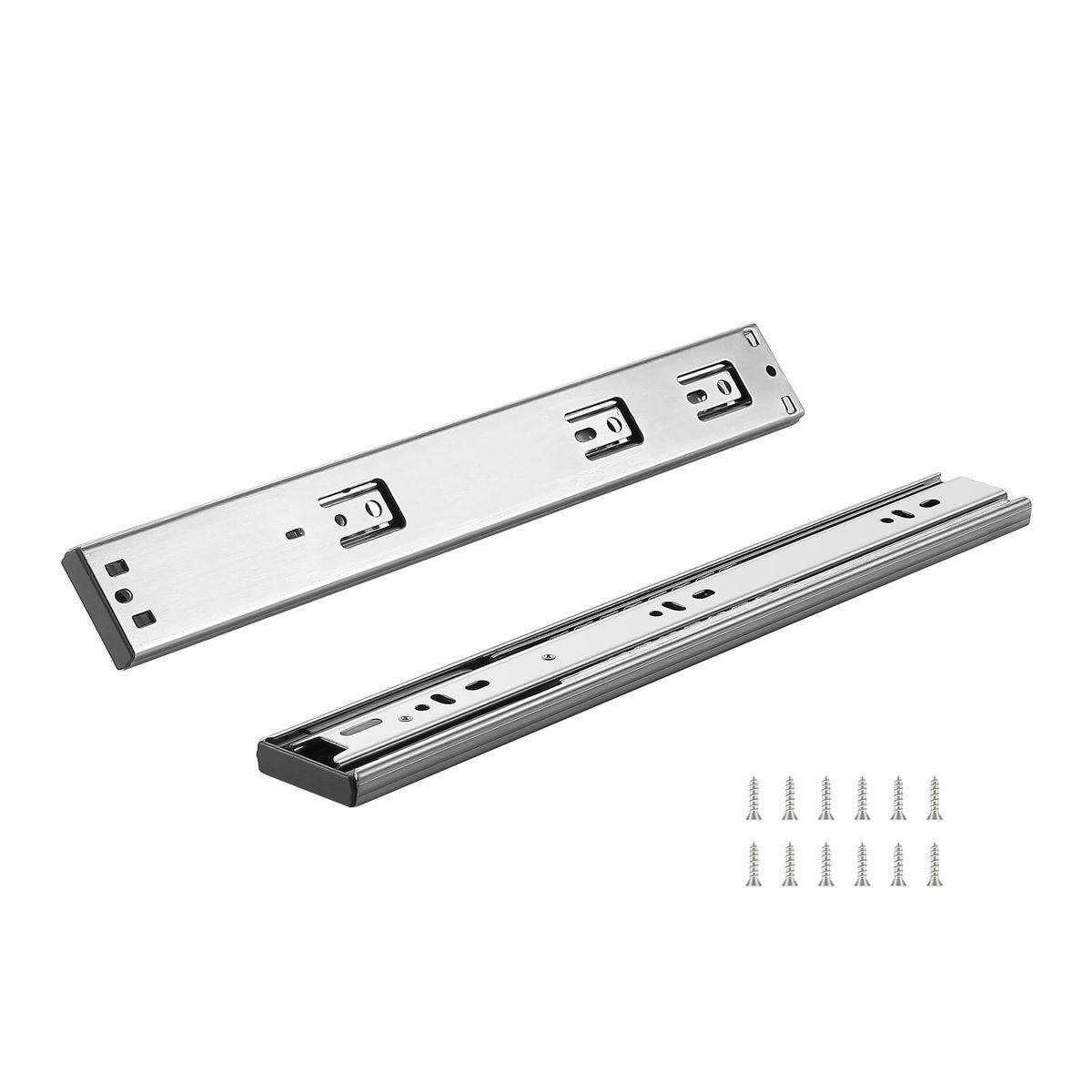
When designing a linear motion system, engineers face a critical decision: which technology best meets their application’s requirements? The primary options include linear guide bearings, ball screws, belt drives, and linear motors. Each system has unique strengths, making it suitable for different scenarios—from high-precision manufacturing to high-speed transport. This article provides a detailed comparison of linear guide bearings against alternative linear motion systems, helping you determine when linear guide bearings are the optimal choice.
Linear Guide Bearings: Core Characteristics
Linear guide bearings consist of:
-
A precision-machined rail with ground raceways.
-
A carriage containing recirculating rolling elements (balls or rollers) or sliding mechanisms.
-
A recirculation system (for rolling elements) to enable continuous motion.
Key Advantages:
✔ High precision and load capacity
✔ Stability and rigidity under load
✔ Low friction and smooth motion
✔ Versatility in applications
Comparison with Alternative Systems
1. Linear Guide Bearings vs. Ball Screws
Ball screws convert rotary motion to linear motion using a threaded shaft and nut with recirculating balls.
|
Factor |
Linear Guide Bearings |
Ball Screws |
Advantage |
|---|---|---|---|
|
Motion Type |
Direct linear motion (rail + carriage) |
Rotary-to-linear motion (shaft + nut) |
Linear bearings for multi-axis flexibility |
|
Load Capacity |
Up to 200,000N (heavy-duty models) |
Up to 100,000N |
Linear bearings (for heavy multi-directional loads) |
|
Precision |
±0.001 mm (high-precision models) |
±0.0001 mm (exceptional for thrust applications) |
Ball screws for ultra-high precision |
|
Speed |
Up to 2 m/s (optimized designs) |
Up to 1 m/s |
Linear bearings (faster in multi-axis systems) |
|
Backlash |
Minimal (with preloaded carriages) |
Minimal (inherent in design) |
Comparable, but linear bearings handle side loads better |
|
Best For |
Multi-axis systems, heavy loads |
High-thrust tasks (e.g., presses) |
Depends on application focus |
Insight: Ball screws excel at converting rotary motion to linear with extreme precision, making them ideal for tasks like hydraulic presses or screw-driven actuators. However, linear guide bearings are more versatile for multi-axis systems and can handle heavier combined loads.
2. Linear Guide Bearings vs. Belt-Driven Systems
Belt drives use a motorized pulley and belt to create linear motion.
|
Factor |
Linear Guide Bearings |
Belt-Driven Systems |
Advantage |
|---|---|---|---|
|
Load Capacity |
Up to 200,000N |
Up to 1,000N (typical) |
Linear bearings (for heavy loads) |
|
Speed |
Up to 2 m/s |
Up to 10 m/s |
Belt drives (for high-speed tasks) |
|
Precision |
±0.001 mm (high-precision models) |
±0.01 mm (limited by belt elasticity) |
Linear bearings (for accurate positioning) |
|
Rigidity |
High (resists deflection) |
Low (belts can stretch or vibrate) |
Linear bearings (for stable motion) |
|
Cost |
Moderate to High |
Low |
Belt drives (budget-friendly) |
|
Best For |
Precision, heavy loads |
High-speed, light loads (e.g., conveyors) |
Depends on priority |
Insight: Belt-driven systems are cost-effective and ideal for high-speed applications, but they lack the precision, rigidity, and load capacity of linear guide bearings.
3. Linear Guide Bearings vs. Linear Motors
Linear motors produce direct linear motion without mechanical contact, using electromagnetic force.
|
Factor |
Linear Guide Bearings |
Linear Motors |
Advantage |
|---|---|---|---|
|
Motion Type |
Mechanical (rolling elements or sliders) |
Electromagnetic (no physical contact) |
Motors for speed |
|
Load Capacity |
Up to 200,000N |
Up to 50,000N |
Linear bearings (for heavier loads) |
|
Speed |
Up to 2 m/s |
Up to 20 m/s |
Linear motors (for extreme speed) |
|
Acceleration |
Moderate |
Very High (instant thrust) |
Linear motors (for rapid starts/stops) |
|
Best For |
Reliable, moderate-speed motion |
Ultra-high speed, short-stroke tasks |
Depends on application needs |
Insight: Linear motors are the fastest linear motion solution (e.g., maglev trains or high-speed sorting systems), but they’re more complex, expensive, and have lower load capacity compared to linear guide bearings, which are better for everyday industrial use.
Hybrid Systems: Combining Technologies
Many advanced systems combine linear guide bearings with other technologies to leverage their strengths:
-
Linear Guide Bearings + Ball Screws: For multi-axis motion with high thrust (e.g., CNC mills).
-
Linear Guide Bearings + Belt Drives: For high-speed tasks with moderate precision.
-
Multi-Axis Systems (X, Y, Z): Using linear guide bearings for primary axes and specialized guides for auxiliary movements.
How to Choose the Right System
When deciding between linear guide bearings and alternatives, consider:
-
Primary Requirement: Precision, speed, load capacity, or cost?
-
Application Type: Heavy industry (e.g., manufacturing) vs. lightweight automation (e.g., 3D printing).
-
Environment: Harsh conditions may favor sealed or corrosion-resistant linear guide bearings.
Conclusion: Why Linear Guide Bearings Are a Smart Default
Linear guide bearings offer a balanced combination of precision, load capacity, and versatility, making them ideal for most industrial and commercial applications. Whether you’re building a CNC machine, a robotic arm, or a 3D printer, linear guide bearings provide the smooth, reliable motion you need. For more insights or to explore premium linear guide bearing solutions, visit YH Linear Newsor browse our product catalog at YH Linear. #LinearGuideBearings #PrecisionMotion #CNC #Automation #Manufacturing #Engineering

 English
 Arabic
 French
 Spanish
 Portuguese
 Deutsch
 Dutch
Dutch
 Italiano
 Russian
 Romaian
 Portuguese (Brazil)
 Greek
Greek