In the intricate architecture of modern power networks, medium voltage (MV) distribution equipment plays a pivotal role in bridging the gap between high-voltage transmission systems and low-voltage utilization points. This equipment is essential for safely and efficiently distributing electrical power to a wide range of consumers, from industrial facilities and commercial buildings to residential areas. Understanding the function, components, and advancements in MV distribution equipment is crucial for ensuring a reliable and resilient power supply. This article delves into the significance of MV distribution equipment, exploring its key aspects and highlighting its importance in the overall power system.
Understanding the Function of Medium Voltage Distribution Equipment
MV distribution equipment is designed to perform several critical functions within the power network:
- Voltage Transformation: MV distribution equipment typically includes transformers that step down the voltage from higher transmission levels to medium voltage levels suitable for distribution.
- Power Distribution: It distributes electrical power from substations to various load centers, ensuring that electricity is delivered to where it is needed.
- Protection: MV distribution equipment incorporates protective devices such as circuit breakers, fuses, and relays to safeguard the network from overloads, short circuits, and other faults.
- Switching and Control: It allows for the switching and isolation of circuits, enabling flexible power flow management and facilitating maintenance activities.
- Monitoring and Control: Modern MV distribution equipment often includes sophisticated monitoring and control systems that provide real-time data on system performance and enable remote operation.
Key Components of Medium Voltage Distribution Equipment
MV distribution equipment comprises various components that work together to ensure reliable power delivery. These components include:
- Transformers: Step-down transformers are used to reduce the voltage from transmission levels to medium voltage levels.
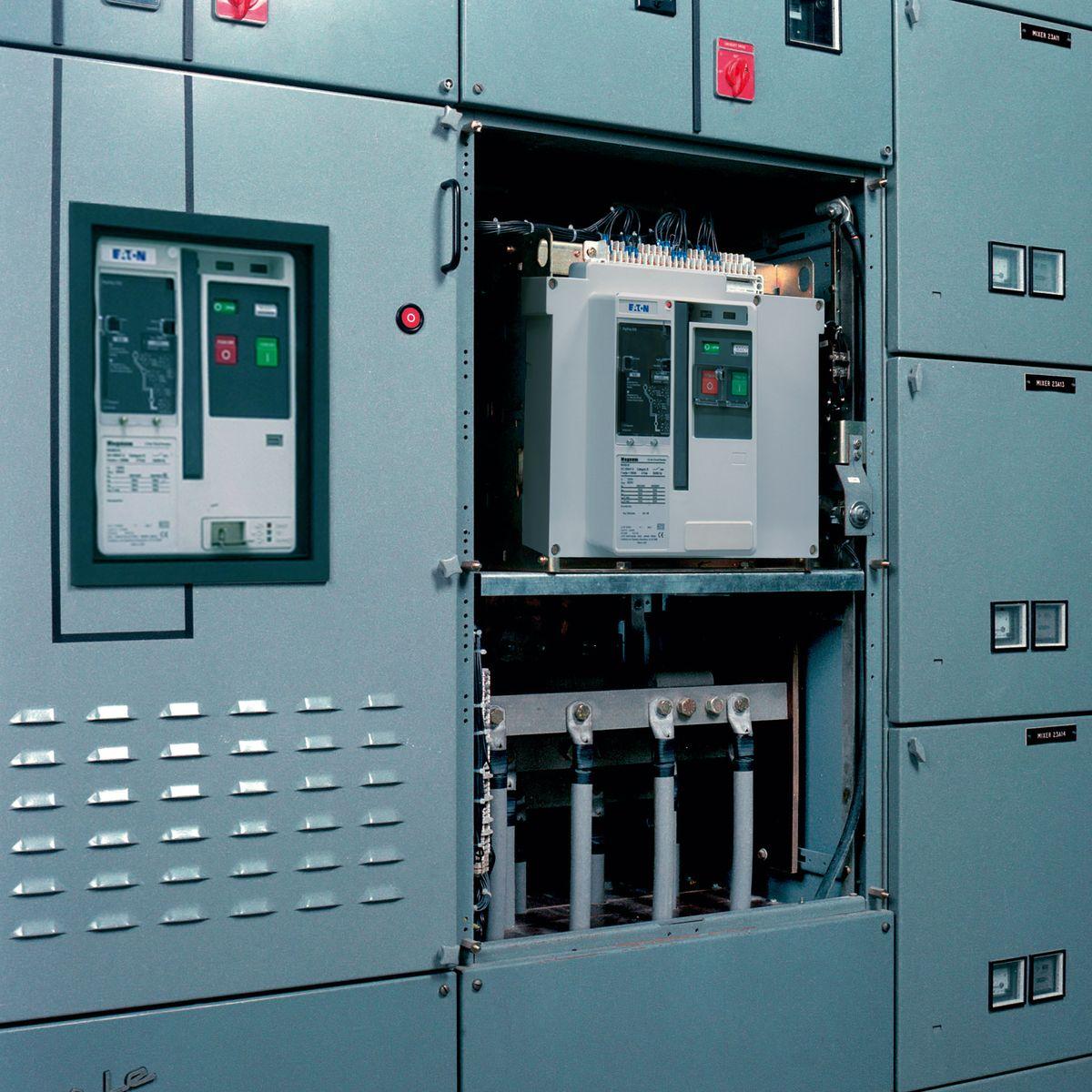
- Switchgear: Switchgear assemblies house circuit breakers, disconnect switches, fuses, and other protective devices.
- Circuit Breakers: Circuit breakers interrupt fault currents and protect equipment from damage.
- Disconnect Switches: Disconnect switches isolate circuits for maintenance purposes.
- Fuses: Fuses provide overcurrent protection for equipment and circuits.
- Protective Relays: Protective relays detect faults and initiate protective actions.
- Control and Monitoring Systems: Control and monitoring systems provide operators with real-time data on system performance and enable remote control of equipment.
Types of Medium Voltage Distribution Equipment
MV distribution equipment is available in various configurations, each designed for specific applications and operating conditions. Common types include:
- Substations: Substations are facilities that house transformers, switchgear, and other equipment for stepping down voltage and distributing power.
- Switchgear Assemblies: Switchgear assemblies are self-contained units that house circuit breakers, disconnect switches, fuses, and other protective devices.
- Pad-Mounted Transformers: Pad-mounted transformers are installed outdoors on concrete pads and are commonly used in residential and commercial areas.
- Underground Distribution Systems: Underground distribution systems use buried cables and equipment to distribute power in urban areas.
Advancements in Medium Voltage Distribution Equipment
MV distribution equipment is continuously evolving to meet the changing needs of modern power networks. Recent advancements include:
- Smart Grid Technologies: Integration of smart grid technologies such as advanced metering infrastructure (AMI) and distribution automation systems.
- Solid-State Circuit Breakers: Development of solid-state circuit breakers that offer faster switching speeds and improved reliability.
- Vacuum Interrupters: Increased use of vacuum interrupters in circuit breakers for enhanced performance and environmental friendliness.
- Digital Control and Monitoring Systems: Implementation of digital control and monitoring systems that provide real-time data and remote control capabilities.
- Environmentally Friendly Designs: Development of MV distribution equipment that uses environmentally friendly materials and reduces energy consumption.
Conclusion
Medium voltage distribution equipment is a critical component of modern power networks, playing a vital role in ensuring the reliable and efficient delivery of electricity to a wide range of consumers. By understanding the function, components, and advancements in MV distribution equipment, power system operators and engineers can optimize system performance and ensure a resilient power supply.



 Chat Wao


 English
 Arabic
 French
 Spanish
 Portuguese
 Turkish
 Dutch
Dutch
 Italiano
 Russian
 Romaian
 Portuguese (Brazil)
 Greek
Greek