


 Chat Wao
How Linear Guides Improve Efficiency in Robotics and Automation
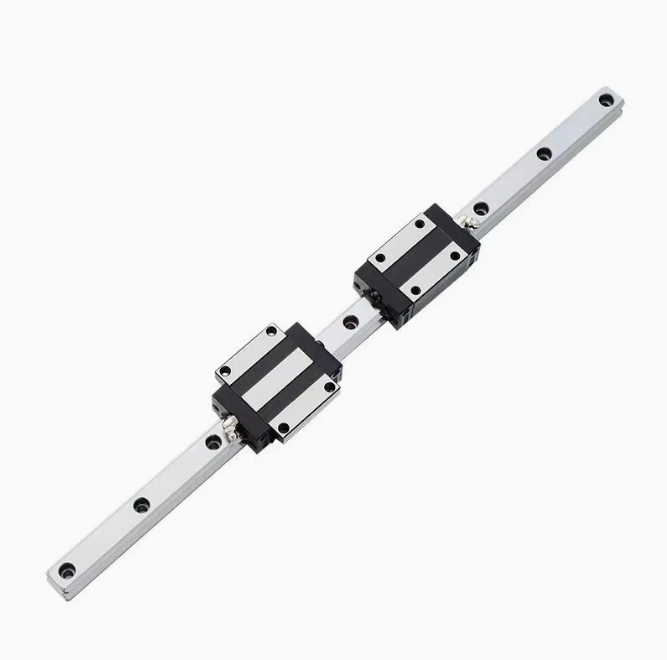
The rise of robotics and automation has transformed industries worldwide. From warehouse logistics and automotive production to medical technology and consumer electronics, robots are taking on increasingly complex tasks with speed and precision. At the heart of this transformation lies an essential yet often overlooked component: the linear guide. By enabling smooth, accurate, and reliable motion, linear guides are critical in ensuring that robotic systems deliver consistent performance and maximum efficiency.
The Role of Linear Guides in Robotics
Robots depend on linear motion to execute a wide range of functions—lifting, positioning, cutting, assembling, and inspecting. Linear guides provide the framework that allows these motions to occur smoothly and predictably. Unlike traditional sliding systems, linear guides minimize friction and reduce wear, making them ideal for robots that must operate continuously with little downtime.
Accuracy is another key factor. In robotic assembly lines, even a millimeter of deviation can result in defective products or slowed production. Linear guides provide the precision needed for repeatable tasks, ensuring that robots consistently meet quality standards.
Boosting Efficiency in Automation
Efficiency in automation is not only about speed but also about reliability and energy use. Machines that run smoothly consume less power, experience fewer breakdowns, and require less maintenance. By reducing resistance during movement, linear guides extend the lifespan of critical robotic components. This directly translates into reduced operating costs and increased return on investment.
For industries operating 24/7—such as logistics, electronics, and automotive—this reliability is a game-changer. A single unscheduled stop can cost thousands of dollars per hour. Linear guides ensure smoother operations, minimizing the risk of downtime and maintaining productivity.
Applications Across Robotic Systems
The use of linear guides in robotics spans a wide range of applications, including:
-
Pick-and-place robots: Moving products quickly and accurately on production lines.
-
Collaborative robots (cobots): Ensuring safe, precise motion in human-robot workspaces.
-
Medical robotics: Supporting delicate surgical and diagnostic procedures.
-
Logistics and warehousing: Guiding automated storage and retrieval systems with reliability.
-
3D printing and additive manufacturing: Delivering controlled motion for high-quality outputs.
Each of these applications requires different performance characteristics—sometimes speed, sometimes load capacity, sometimes ultra-high precision. Modern linear guides are engineered to meet these varying demands, making them an indispensable part of the automation ecosystem.
Supporting the Smart Factory of the Future
As Industry 4.0 continues to evolve, robotics and automation will become even more sophisticated. Machines will be expected to interact with AI, communicate across networks, and make real-time decisions. Linear guides will play a central role in this ecosystem by providing the mechanical stability that ensures all digital commands translate into precise physical actions.
Manufacturers who want to stay competitive must invest in motion systems that are not only reliable but also future-ready. That’s why companies like Yinhe Transmission focus on developing advanced linear motion solutions that support the integration of robotics in modern factories.
Looking Forward
The demand for robotics and automation is only expected to grow in the coming years. From autonomous vehicles to intelligent healthcare devices, industries will rely on precise motion systems to make their innovations possible. Linear guides, though often hidden within machines, will continue to drive this progress by offering the efficiency and accuracy that modern automation requires.
Conclusion
Robotics and automation may represent the cutting edge of industrial technology, but their success depends on foundational components like linear guides. By enabling accurate, smooth, and efficient motion, linear guides ensure that robots operate at peak performance across industries. With trusted partners like Yinhe Transmission, businesses can equip themselves with the motion technology required to embrace the future of automation with confidence.

 English
 Arabic
 French
 Spanish
 Portuguese
 Deutsch
 Dutch
Dutch
 Italiano
 Russian
 Romaian
 Portuguese (Brazil)
 Greek
Greek