


 Chat Wao
Optical Delay Lines: A Practical Guide to Controlling Light Timing
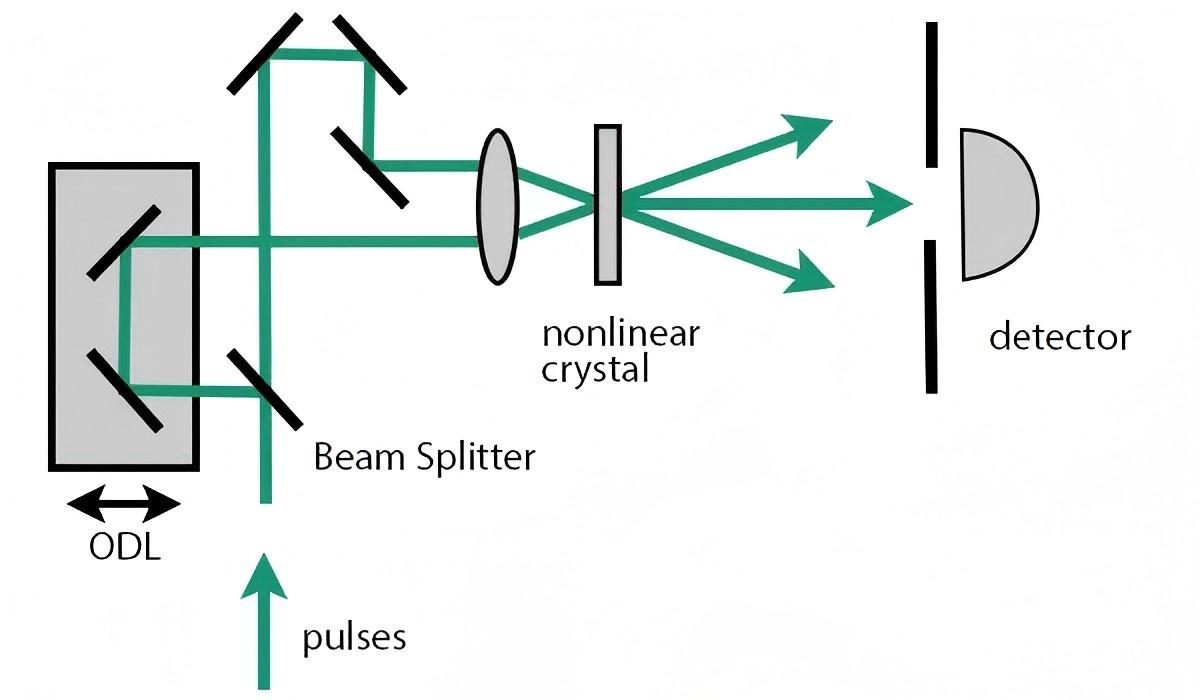
If you work with laser systems, optical communication, or scientific research that relies on precise light signals, you’ve probably faced a common challenge: getting light to arrive at the right time. That’s where optical delay lines come in. Simply put, these devices adjust the travel time of light signals—helping sync up light paths, correct timing gaps, or fine-tune experiments where even tiny delays matter. Whether you’re testing a new laser setup or optimizing an industrial optical system, a well-chosen optical delay line can make a big difference in accuracy and performance.
Why Optical Delay Lines Matter for Your Work
Light travels fast, but in many applications, even a small mismatch in timing can ruin results. For example:
- In laser research, you might need two light beams to hit a sample at almost the exact same moment—an optical delay line lets you tweak one beam’s path to match the other.
- In optical communication systems, delayed signals can cause data errors; delay lines help align signals so information transfers smoothly.
- In industrial laser processing (like cutting or engraving), precise light timing ensures consistent results, avoiding uneven cuts or material damage.
The best optical delay lines do more than just add delay—they maintain signal quality (so light doesn’t get distorted) and stay stable over time (even if room temperature or vibration changes slightly). This reliability is key, whether you’re running a short experiment or a 24/7 industrial process.
What to Look for When Choosing an Optical Delay Line
Not all delay lines work for every setup. Here are simple, practical factors to consider:
- Delay range: How much can you adjust the light’s travel time? Pick a range that fits your needs—no need for extra capacity you’ll never use.
- Precision: How small of a delay adjustment can you make? For detailed experiments, you’ll want finer control than for basic industrial tasks.
- Compatibility: Does it work with your laser’s wavelength? Most delay lines are designed for specific wavelength ranges, so double-check this first.
- Ease of use: Can you set it up quickly, or do you need special tools? Look for models that fit your workflow—no one wants to spend hours troubleshooting setup.
If you’re unsure which features matter most for your project, exploring detailed optical delay line options can help you match the device to your exact needs.
Getting the Most Out of Your Optical Delay Line
Once you’ve chosen a delay line, a few small steps can boost its performance:
- Keep it away from strong vibrations (like near heavy machinery) to avoid disrupting alignment.
- Check the delay setting periodically if you’re running long experiments—small shifts over time can add up.
- Pair it with compatible optical components (like lenses or fibers) to keep light signals strong and clear.
Whether you’re new to optical systems or have years of experience, a reliable optical delay line is a tool that simplifies timing challenges. It lets you focus on your work—instead of worrying about whether your light signals will arrive on time.

 English
 French
 Spanish
 Portuguese
 Deutsch
 Turkish
 Dutch
Dutch
 Italiano
 Russian
 Romaian
 Portuguese (Brazil)
 Greek
Greek