


 Chat Wao
Interlining Applications by Interlining-Factory: Optimizing Garment Fit and Function
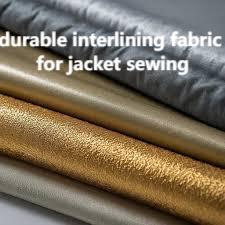
The internal layer hidden within clothing often defines the way a garment looks, moves, and feels. Selecting the right Interlining determines how fabrics interact and how the final piece retains its intended shape. When properly applied, Interlining contributes to durability, wearer comfort, and overall aesthetic appeal. Designers and manufacturers rely on these materials to create garments that meet both practical and stylistic demands, balancing flexibility with structural integrity.
Shaping Garments for Everyday Wear
Everyday clothing relies on internal support to maintain subtle shapes and prevent distortion over time. Proper reinforcement ensures that collars, cuffs, waistbands, and lapels hold their form after repeated wear and laundering. Lightweight structures offer gentle support, creating soft, flowing silhouettes, while firmer applications add sharpness and confidence to tailored pieces. The careful balance of support and mobility is essential to delivering clothing that is both comfortable and visually appealing.
Material Selection and Functional Benefits
The choice of internal materials affects breathability, flexibility, and resilience. Non-woven constructions provide uniform support, while woven options can add directional strength and precision. Knitted versions are often used where stretch and flexibility are necessary, particularly in active or casual wear. By carefully selecting materials, manufacturers can enhance durability without adding unnecessary bulk, creating garments that remain comfortable for extended periods of wear.
Production Techniques and Application Methods
How the support layer is incorporated greatly impacts garment quality. Thermal bonding allows for quick adhesion, particularly for fusible applications, but requires precise temperature control to avoid fabric puckering. Sewing-in techniques allow selective placement and easier maintenance, often preferred in high-end tailoring. Precision during production ensures that the garment maintains its design integrity, with consistent drape and shape across multiple production runs.
Adapting to Various Garment Types
Different clothing categories demand different support strategies. Casual apparel benefits from light reinforcement that preserves movement and softness. Formal attire often requires concentrated support in key areas such as jacket fronts, collars, and structured skirts to maintain sharp lines. Sportswear and stretch garments require flexible supports that move with the body, while home textiles and accessories may demand firmer backing to resist sagging and maintain stability. The goal is to match internal support strategy with intended use and fabric behavior.
Durability, Care, and Consumer Experience
How a garment behaves over time is largely determined by internal reinforcement choices. High-quality construction resists deformation, maintains hand feel, and improves laundering performance. Clear care instructions help consumers preserve garment integrity, reducing premature wear. Products designed with performance in mind not only satisfy consumer expectations but also enhance the perceived value of the item, creating loyalty and positive user experience.
Sustainable Practices in Support Materials
Increasingly, environmental considerations shape material choices. Biodegradable fibers, recyclable adhesives, and low-energy production methods are becoming more common. This focus ensures that garments can meet performance expectations while minimizing environmental impact. Innovations in sustainable materials allow manufacturers to provide durable, functional clothing without compromising ethical and ecological standards.
Collaboration Between Design and Manufacturing Teams
Effective garment development requires close coordination between creative and technical teams. Early sampling and prototyping allow designers to test different support options, confirming how each performs in combination with outer fabrics. This collaborative approach ensures consistent quality, reduces waste, and aligns aesthetic goals with practical manufacturing realities. It also helps smaller production houses replicate high-quality results reliably.
Conclusion
The hidden support layer determines much of what makes garments successful: comfort, durability, and visual appeal. Through thoughtful material selection, precise application, and attention to care, manufacturers can produce clothing that maintains fit, feel, and longevity. For more insights into types, applications, and innovations in garment reinforcement, visit https://www.interlining-factory.com/news/what-is-interlining-types-applications-and-more.html

 English
 Arabic
 French
 Spanish
 Portuguese
 Deutsch
 Turkish
 Italiano
 Russian
 Romaian
 Portuguese (Brazil)
 Greek
Greek