


 Chat Wao
Substation Automation: The Future of Smart Power Grids
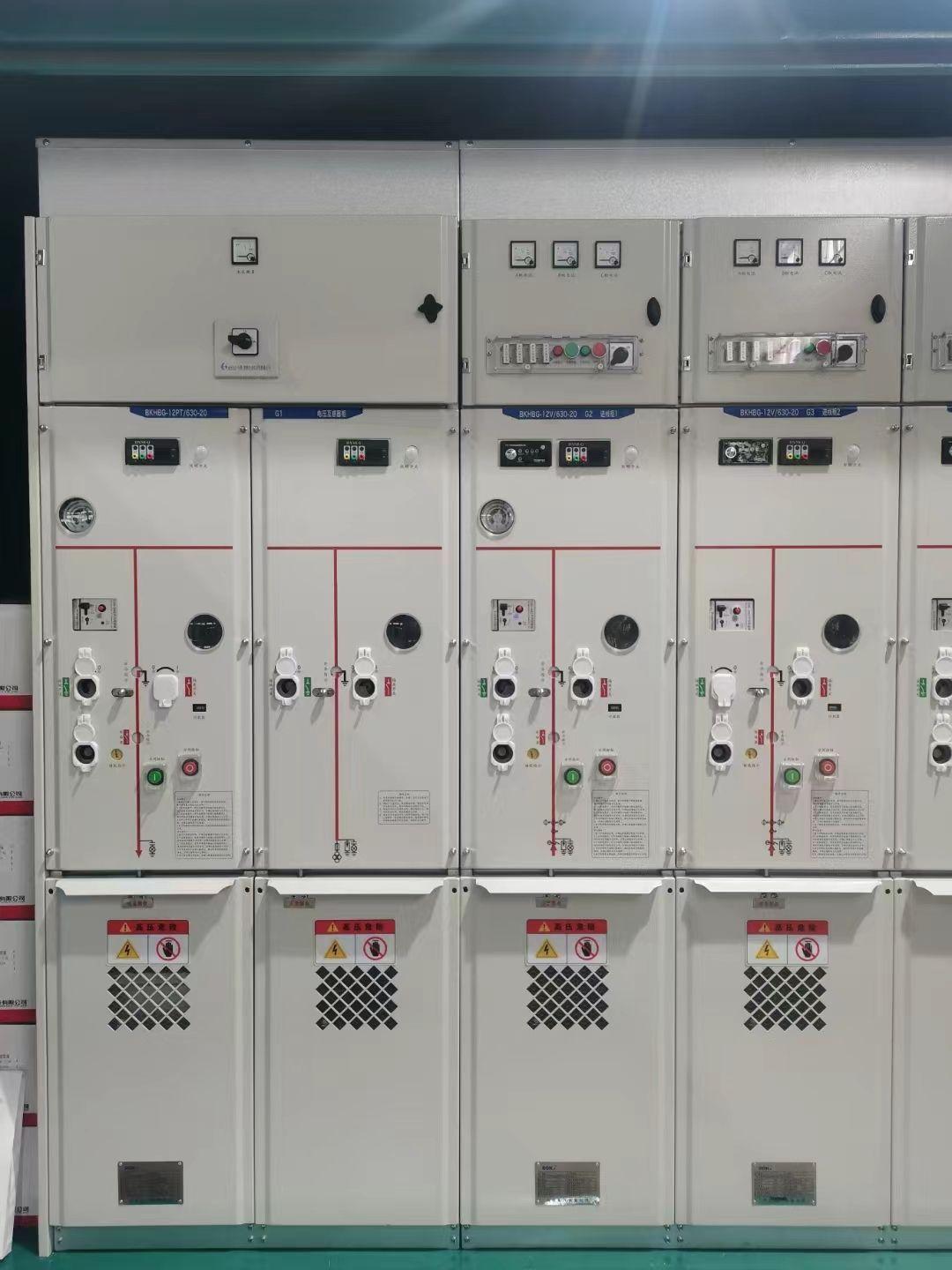
I. What Is Substation Automation?
Key Objectives:
II. Core Components of Substation Automation
1. Intelligent Electronic Devices (IEDs)
-
Relay Protection Systems – Detect and isolate faults quickly. -
Digital Meters & Sensors – Measure voltage, current, and power quality. -
Control & Monitoring Units – Automate switchgear operations.
2. Supervisory Control and Data Acquisition (SCADA)
-
Centralized control room for monitoring multiple substations. -
Remote command execution (open/close breakers, adjust voltage). -
Historical data logging for analysis and reporting.
3. Communication Networks
-
Fiber Optic, Ethernet, & Wireless (5G, LoRaWAN) – Ensure fast, secure data transfer. -
IEC 61850 Protocol – Standard for substation automation communication. -
Cybersecurity Measures – Protect against hacking and data breaches.
4. Human-Machine Interface (HMI) & SCADA Screens
-
Graphical dashboards for operators to visualize substation status. -
Alarm management for quick fault response.

 English
 Arabic
 French
 Spanish
 Portuguese
 Deutsch
 Turkish
 Dutch
Dutch
 Italiano
 Russian
 Romaian
 Greek
Greek