


 Chat Wao
Interlining Technology Transforming Garment Structure And Comfort By Interlining-Factory
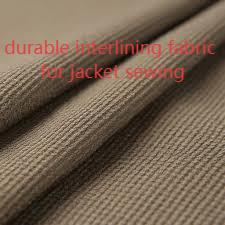
In contemporary apparel production, the hidden layer inside a garment increasingly dictates how a piece performs and endures; designers now treat the supportive role of Interlining as a core functional element rather than a mere finishing step, and manufacturers are optimizing that internal layer for comfort, stability, and longevity. This shift means fabrics, adhesive systems, and processing techniques are selected not only for appearance but for how the inner structure contributes to fit, drape, and wearer experience.
Understanding Support Layers
A garment’s inner support stabilizes edges, shapes collars, and maintains silhouettes under repeated wear. Selecting the appropriate support layer depends on the weight of the outer fabric, the desired stiffness of collars or hems, and whether the piece requires stretch or recovery. Thin woven supports suit lightweight blouses, while denser constructions better support tailored jackets. Considering these variables early in the design process prevents downstream problems and improves first-sample success rates.
Material Choices and Their Tradeoffs
Material science offers a range of options for internal reinforcement. Natural fibers are breathable and comfortable, but they can lack dimensional stability under humidity. Synthetic substrates can provide consistent support and enhanced durability, but they must be chosen carefully to avoid unwanted stiffness or reduced hand feel. Hybrid constructions that blend fibers or combine woven and nonwoven elements often achieve the best balance between structure and comfort for complex garments.
Adhesion and Bonding Techniques
The method used to join internal layers to outer fabrics strongly impacts both appearance and wash performance. Heat-activated adhesive systems create reliable bonds for many fabric types, but they require precise temperature and pressure control during processing. Sewn-in supports avoid adhesives altogether and work well in garments sensitive to heat. Newer water-based bonding systems offer environmental advantages while delivering acceptable durability when applied under controlled processing conditions.
Processing and Quality Control
Integrating these internal components into a production line calls for strict quality protocols. Automated cutting and placement reduce waste and improve consistency, while inline inspection identifies bonding defects before assembly. Tolerances for adhesive coverage and thermal dwell time must be documented and maintained to ensure each garment meets specified performance criteria. Training line operators to recognize subtle defects reduces rework and improves throughput.
Comfort, Breathability, and Wearability
End users now expect inner structure to be unobtrusive. Breathable supports and carefully engineered stitch lines reduce irritation and improve wear comfort. Designers must consider how the support layer affects moisture movement and thermal comfort, especially in activewear or garments worn close to skin. Selecting lighter-weight layers for areas requiring flexibility and more rigid supports where shape is needed helps create garments that are both comfortable and durable.
Sustainability and End-of-Life Considerations
As the industry pursues greener practices, choices about inner layers play a role in overall environmental impact. Mono-material constructions facilitate recycling, while avoiding permanent adhesives can ease material separation at end of life. Manufacturers that transparently share material compositions and recycling pathways enable brand partners to meet consumer expectations for circularity and responsible sourcing.
Testing, Certification, and Performance Metrics
Reliable performance is proven through empirical testing. Dimensional stability, peel strength for bonded systems, and long-term fatigue under repeated motion all inform material selection. Establishing pass/fail criteria for laboratory and consumer-simulated tests allows teams to compare options quantitatively. Certification for regulatory and flammability standards may also be required depending on market and end use.
Collaborative Development Between Designers and Engineers
Close collaboration between creative and technical teams delivers the best outcomes. Early prototyping that combines patternmaking with material testing prevents misalignment between aesthetic intent and engineering feasibility. Shared samples, documented processing parameters, and feedback loops accelerate iteration and reduce costly late-stage changes.
Future Directions and Smart Integrations
The next wave of internal engineering will blend adaptive materials and smart textiles that respond to temperature, moisture, or movement. These innovations promise garments that adjust support dynamically, improving comfort and prolonging garment life. Emerging digital tools that track material provenance and performance data will also help brands validate sustainability claims and optimize supply chains.
Conclusion and Where to Learn More
Choosing the right internal support system is a strategic decision that impacts fit, durability, comfort, and sustainability. Integrating material science, precise bonding techniques, and robust production controls creates garments that perform reliably and delight wearers. For a detailed primer on types, applications, and selection guidance, visit https://www.interlining-factory.com/news/what-is-interlining-types-applications-and-more.html

 English
 Arabic
 French
 Spanish
 Portuguese
 Deutsch
 Turkish
 Italiano
 Russian
 Romaian
 Portuguese (Brazil)
 Greek
Greek