


 Chat Wao
Strategic Development and Management of Modern Electrical Infrastructure
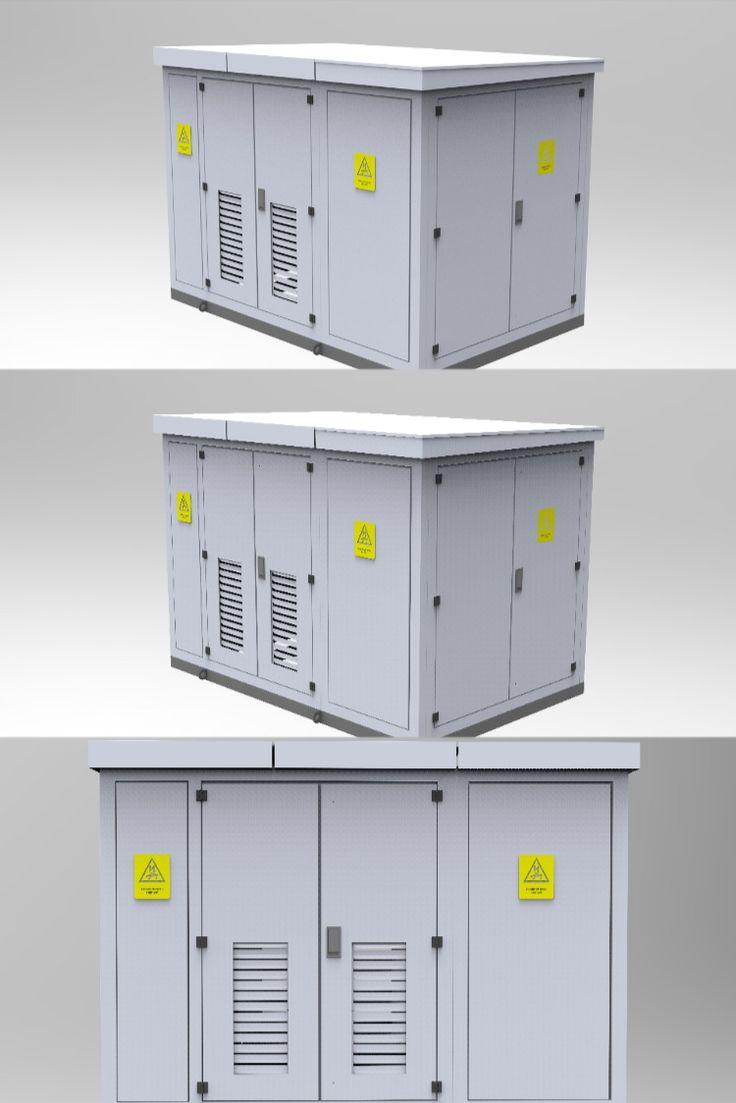
The strategic development and management of electrical infrastructure require a holistic approach that balances technical requirements, economic considerations, and societal needs. As electricity becomes increasingly central to all aspects of modern life, infrastructure managers must adopt comprehensive strategies for planning, implementation, and operation. This guide explores the methodologies and best practices that enable successful electrical infrastructure development and management.
Strategic Planning Framework
Comprehensive Assessment
-
Current system condition evaluation
-
Future load growth forecasting
-
Technology trend analysis
-
Regulatory environment assessment
Master Planning
-
Long-term development roadmap
-
Phased implementation strategy
-
Investment planning and prioritization
-
Risk assessment and mitigation
Design and Engineering
System Design Principles
-
Reliability-centered design
-
Scalability and flexibility planning
-
Standardization and modularity
-
Sustainability integration
Technology Selection
-
Equipment performance criteria
-
Lifecycle cost analysis
-
Interoperability requirements
-
Future-proofing considerations
Implementation Excellence
Project Management
-
Detailed engineering design
-
Procurement and supply chain management
-
Construction quality control
-
Commissioning and testing
Stakeholder Management
-
Regulatory compliance
-
Community engagement
-
Environmental impact mitigation
-
Public communication
Operational Management
Maintenance Strategies
-
Preventive maintenance programs
-
Condition-based monitoring
-
Predictive maintenance technologies
-
Spare parts management
Performance Optimization
-
System efficiency improvement
-
Loss reduction initiatives
-
Power quality enhancement
-
Reliability improvement programs
Case Study: Regional Infrastructure Modernization
Implementation Results
-
50% reduction in system losses
-
99.99% reliability achievement
-
40% increase in capacity utilization
-
$25M annual operational savings
Technology Integration
Digital Infrastructure
-
Communication networks
-
Data management systems
-
Cloud computing platforms
-
Mobile workforce solutions
Automation Systems
-
Substation automation
-
Distribution automation
-
Asset management systems
-
Customer service platforms
Risk Management
Risk Identification
-
Physical security risks
-
Cybersecurity threats
-
Natural disaster vulnerabilities
-
Market and financial risks
Mitigation Strategies
-
System redundancy
-
Emergency response planning
-
Insurance and financial protection
-
Business continuity planning
Sustainability Management
Environmental Performance
-
Carbon footprint reduction
-
Resource efficiency improvement
-
Waste management
-
Biodiversity protection
Social Responsibility
-
Community engagement
-
Stakeholder communication
-
Economic development support
-
Educational initiatives
Regulatory Compliance
Standards Adherence
-
Technical standards compliance
-
Safety regulations implementation
-
Environmental requirements
-
Reporting obligations
Audit Preparedness
-
Documentation management
-
Evidence collection
-
Compliance monitoring
-
Continuous improvement
Performance Measurement
Key Performance Indicators
-
Reliability metrics (SAIDI, SAIFI)
-
Efficiency measures
-
Financial performance
-
Customer satisfaction
Benchmarking
-
Industry comparison
-
Best practice adoption
-
Performance gap analysis
-
Continuous improvement
Future Challenges
Emerging Technologies
-
Advanced energy storage
-
Hydrogen economy integration
-
Quantum computing applications
-
Next-generation materials
Industry Transformation
-
Decarbonization initiatives
-
Digitalization acceleration
-
Market structure evolution
-
Workforce transformation
Economic Optimization
Cost Management
-
Operational efficiency
-
Capital optimization
-
Lifecycle cost reduction
-
Value engineering
Revenue Enhancement
-
New service development
-
Asset utilization improvement
-
Market participation optimization
-
Value-added services
Conclusion
The successful development and management of electrical infrastructure require a comprehensive approach that addresses technical, operational, and business dimensions. By implementing best practices and leveraging new technologies, infrastructure managers can achieve superior performance while meeting evolving societal expectations.
Industry leaders like Degatech Electric support infrastructure development through comprehensive electrical solutions that enhance system reliability, efficiency, and sustainability, helping communities build the power systems of the future.

 English
 Arabic
 French
 Portuguese
 Deutsch
 Turkish
 Dutch
 Italiano
 Russian
 Romaian
 Portuguese (Brazil)
 Greek