

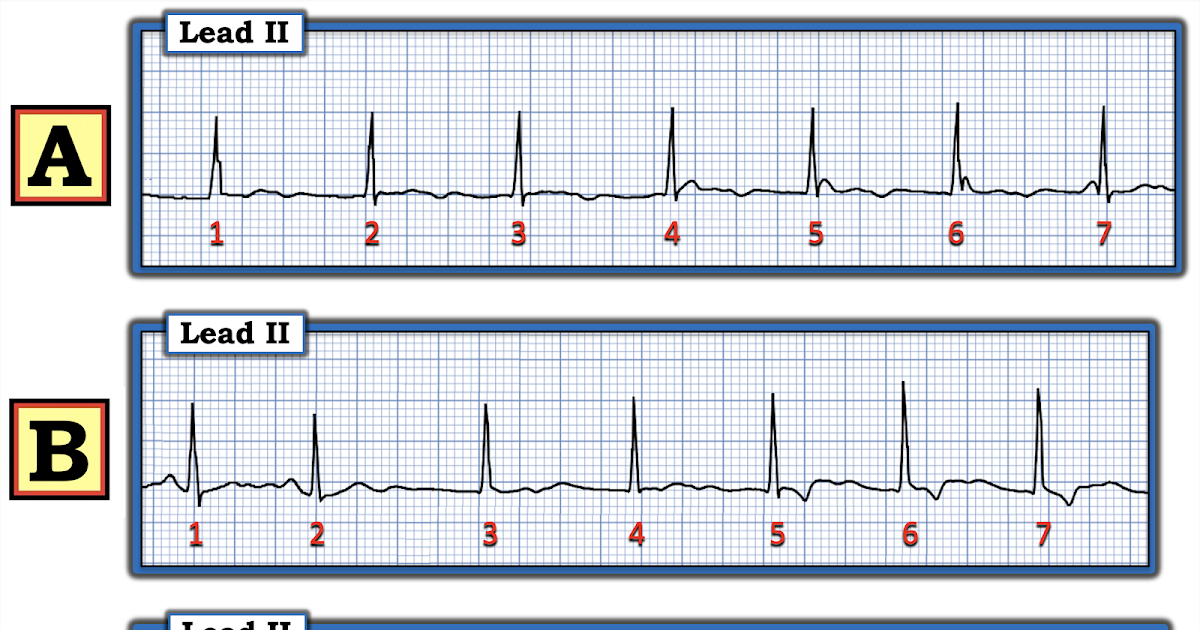

In emergency medicine, every second counts. Rapid and accurate interpretation of an electrocardiogram (ECG) can mean the difference between life and death. From detecting heart attacks to identifying dangerous rhythm disturbances, ECG interpretation is one of the most vital skills in healthcare. Whether you’re a nurse, paramedic, medical assistant, or student entering the healthcare field, learning how to read ECGs effectively empowers you to act quickly and confidently when it matters most.
This article explores how learning ECG interpretation can save lives in emergencies, why proper training is essential, and how Practical ECG Training with Certification can enhance both your clinical competence and career progression.
Understanding the Importance of ECG Interpretation
An electrocardiogram (ECG or EKG) records the electrical activity of the heart. It helps healthcare professionals evaluate how well the heart is functioning and identify any abnormalities, such as arrhythmias, myocardial infarction (heart attack), or electrolyte imbalances.
In emergency settings, time is critical. The ability to quickly interpret ECG results enables healthcare professionals to make immediate and potentially lifesaving decisions. For instance, recognising the signs of a ST-segment elevation myocardial infarction (STEMI) within seconds allows for rapid intervention — such as activating the cardiac catheterisation team or administering clot-busting medication.
Without timely interpretation, patients could experience severe complications, irreversible heart damage, or even death. Therefore, ECG interpretation is not just a technical skill — it is a cornerstone of emergency patient care.
How ECG Interpretation Saves Lives in Emergencies
1. Early Detection of Heart Attacks
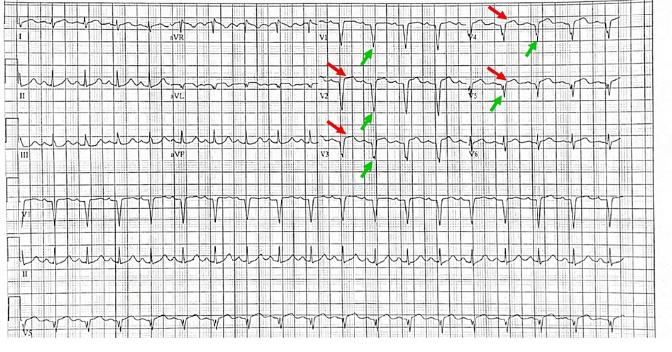
Heart attacks remain one of the leading causes of death in the UK. A well-interpreted ECG can identify the earliest signs of cardiac distress, including ST-segment elevation, T-wave inversion, or the development of new Q waves.
When healthcare professionals can identify these changes immediately, they can initiate lifesaving interventions — from oxygen therapy and medication administration to arranging urgent cardiac catheterisation.
2. Identification of Dangerous Arrhythmias
Arrhythmias such as ventricular tachycardia or fibrillation can cause sudden cardiac arrest. Recognising these patterns quickly through ECG interpretation allows for rapid defibrillation or advanced cardiac life support (ACLS) measures.
Even less severe arrhythmias, like atrial fibrillation, require timely management to prevent complications such as stroke. Proper ECG interpretation ensures early diagnosis and appropriate treatment.
3. Guidance in Cardiac Arrest and Resuscitation
During cardiopulmonary resuscitation (CPR), ECG monitoring helps guide the resuscitation process. Knowing how to interpret cardiac rhythms allows healthcare workers to decide whether defibrillation, medication, or further CPR is necessary.
Accurate rhythm recognition ensures that interventions are performed effectively, improving survival rates in cardiac arrest scenarios.
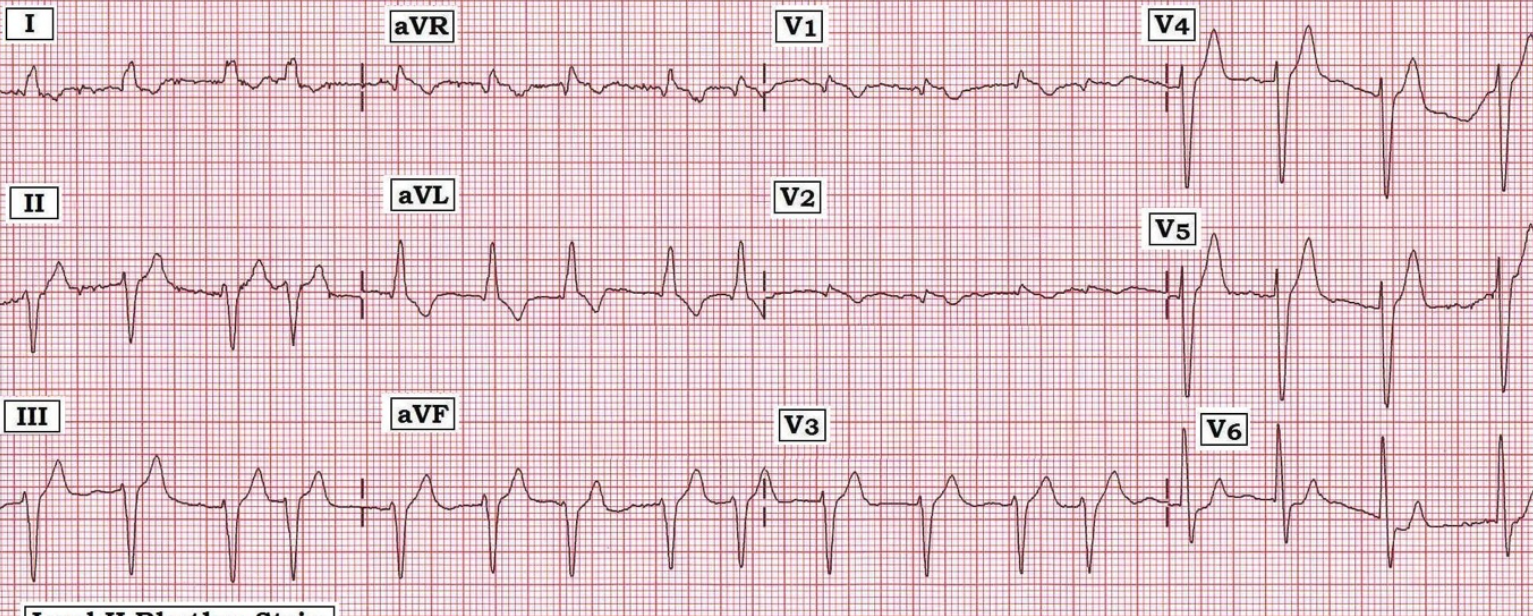
4. Differentiating Cardiac and Non-Cardiac Emergencies
Not all chest pain or breathing difficulties are caused by cardiac issues. ECG interpretation helps rule out or confirm cardiac causes, preventing unnecessary treatment and ensuring patients receive appropriate care.
For example, a normal ECG may indicate that symptoms are related to pulmonary embolism, anxiety, or gastrointestinal issues rather than heart disease. This precision supports faster, targeted treatment plans.
5. Improving Team Communication in Emergencies
In high-pressure environments such as emergency departments or ambulances, clear communication is vital. Staff members who understand ECGs can share information quickly, coordinate care efficiently, and prevent delays in treatment.
A team trained in ECG interpretation functions more cohesively, which improves overall patient outcomes during time-sensitive situations.
The Role of Practical Training in ECG Interpretation
While theoretical knowledge of ECGs is essential, real-world competence is gained through hands-on experience. This is where Practical ECG Training with Certification plays a vital role.
Such training programmes combine classroom learning with practical exercises, enabling learners to interpret ECG tracings from real or simulated patients. Through repeated practice, participants develop the confidence to identify subtle abnormalities and recognise critical cardiac events promptly.
Completing Practical ECG Training with Certification not only validates your competence but also demonstrates to employers that you possess a clinically relevant skill set. Certified training ensures you meet professional standards while boosting your career opportunities in hospitals, urgent care centres, and paramedic services.
Key Components of Quality ECG Training
A high-quality ECG interpretation course should include the following components:
-
Fundamentals of Cardiac Physiology:
-
Understanding how the heart’s electrical system functions forms the foundation of accurate ECG reading.
-
Lead Placement and Technical Accuracy:
-
Correct electrode placement ensures accurate readings, minimising artefacts that could lead to misinterpretation.
-
Recognition of Normal and Abnormal Patterns:
-
Training should cover sinus rhythms, arrhythmias, conduction blocks, and signs of ischemia or infarction.
-
Hands-on Case Studies:
-
Practical sessions using real ECG strips or digital simulations build familiarity and confidence in clinical scenarios.
-
Emergency Decision-Making Skills:
-
Learners should be trained to quickly interpret ECGs and apply the findings to emergency protocols, such as ACLS or BLS.
-
Assessment and Certification:
-
Final examinations or practical assessments confirm the learner’s ability to perform under pressure, ensuring competence.
Benefits of Learning ECG Interpretation
-
Enhanced Clinical Confidence:
-
Understanding ECGs enables healthcare professionals to act decisively in critical situations, reducing hesitation and errors.
-
Career Advancement:
-
ECG interpretation skills are highly valued in emergency medicine, cardiology, intensive care, and ambulance services. Certification sets you apart from other candidates.
-
Improved Patient Safety:
-
Rapid and accurate readings minimise the risk of misdiagnosis, ensuring that patients receive timely and appropriate care.
-
Professional Recognition:
-
Certified ECG training demonstrates commitment to clinical excellence and adherence to healthcare standards.
-
Opportunities for Continued Learning:
-
ECG interpretation serves as a foundation for advanced qualifications such as ACLS, cardiac monitoring, and paramedic certifications.
Real-World Impact: Saving Lives Through Skill
Numerous case studies underscore the significance of ECG interpretation in emergency medicine. For example, paramedics trained in ECG reading often identify early STEMIs in the field, allowing hospitals to prepare catheter labs before the patient arrives.
Similarly, nurses and medical assistants who can interpret ECGs play a crucial role in triage and patient monitoring. Their quick recognition of life-threatening rhythms often leads to rapid interventions that save lives.
Conclusion
Learning ECG interpretation is more than an educational milestone — it’s a lifesaving skill. From identifying heart attacks and arrhythmias to guiding emergency interventions, the ability to accurately read ECGs is fundamental to providing quality patient care.
By undertaking Practical ECG Training with Certification, healthcare professionals and students can gain the confidence and competence to respond effectively during emergencies. This training not only enhances clinical ability but also ensures that when seconds matter most, you are ready to make a difference.
FAQs
1. What is ECG interpretation?
ECG interpretation involves analysing the heart’s electrical activity to detect abnormalities such as arrhythmias, heart attacks, or conduction issues.
2. Who should learn ECG interpretation?
It is ideal for nurses, paramedics, medical assistants, and students entering healthcare roles that involve cardiac assessment and emergency care.
3. How long does ECG training take?
Most ECG interpretation courses range from one day to several weeks in duration, depending on the depth of study and whether certification is included.
4. Why is certification important?
Certification confirms that you have met a professional standard in ECG interpretation, thereby enhancing your employability and clinical credibility.
5. Can ECG interpretation be learned online?
Yes, many accredited providers offer online ECG courses that include virtual simulations, assessments, and recognised certification upon completion.