


 Chat Wao
How to Use a Semi Trash Pump: Step-by-Step Guide for Beginners
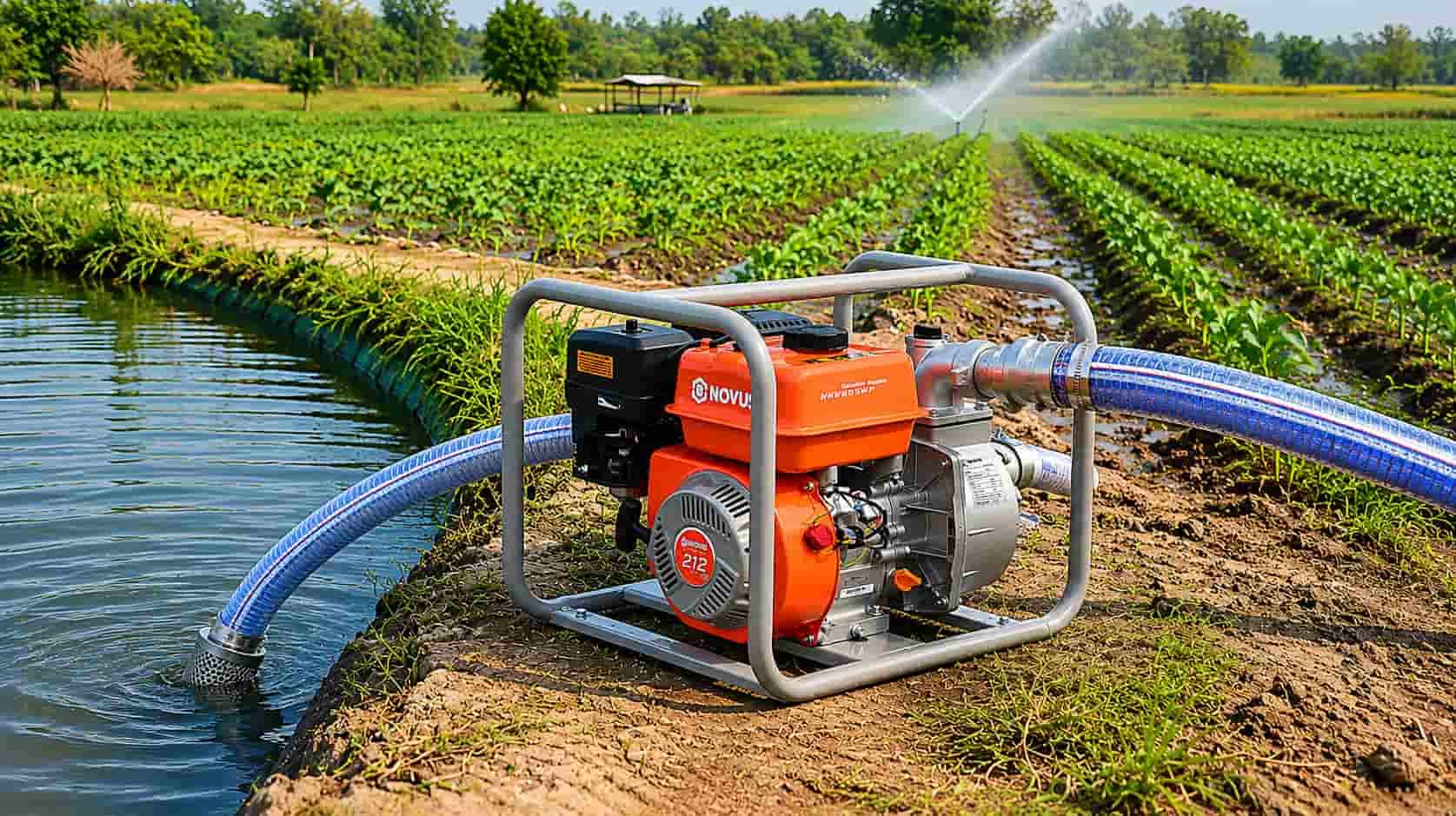
Semi trash pumps are essential portable dewatering equipment widely used for flood cleanup, pool draining, construction site dewatering, farm irrigation, and pond maintenance. Different from ordinary clean water pumps, they can handle dirty water with fine sand, leaves, and small floating debris, featuring strong trafficability and high drainage efficiency.
However, most beginners encounter various problems during first use, such as failure to self-prime, weak water output, frequent clogging, or even pump damage caused by incorrect operation. Improper usage not only reduces working efficiency but also shortens the service life of the semi trash pump and brings potential safety hazards.
This beginner-friendly guide will walk you through the pre-operation inspection, step-by-step standard operation, safety specifications, and common usage mistakes of semi trash pumps. Whether you are using an electric or gas-powered semi trash pump, this tutorial helps you operate the equipment correctly for stable, efficient, and safe dewatering work.
1. Pre-Operation Preparation & Inspection (Must-Do for Beginners)
Complete pre-use checks are the key to avoiding startup failures and equipment damage. Before running your semi trash pump, finish the following inspections and preparations:
1.1 Equipment & Accessories Check
Check whether the pump body, suction hose, discharge hose, filter screen, and connectors are intact. Ensure no cracks, water leakage, or loose joints. The filter screen is a core component to prevent large debris from entering the pump cavity, so it must be installed completely and kept unblocked. For gas-powered semi trash pumps, check the fuel volume and engine oil level, and replenish in time if insufficient. For electric models, inspect the power cord for damage to avoid electric leakage risks.
1.2 Working Environment Confirmation
Place the semi trash pump on a flat, stable dry ground, avoiding direct placement in deep water or soft mud to prevent the pump from sinking or tilting. Confirm the water source condition: semi trash pumps are suitable for water with fine debris, sand, and leaves, but avoid water with large stones, branches, and heavy sludge to prevent impeller clogging.
1.3 Pipeline Layout Standard
Keep the suction hose straight without excessive bending or distortion. Ensure the hose is tightly connected to the pump inlet to prevent air inhalation. For the discharge hose, arrange a smooth and straight layout as much as possible; too many bends will increase water pressure resistance and reduce drainage efficiency.
2. Step-by-Step Correct Operation Process
Step 1: Prime the Pump Completely
Most semi trash pumps are self-priming, but full priming before startup is essential for first use or after long-term idle storage. Open the priming port and inject clean water into the pump cavity until it is completely full, exhausting all internal air. Incomplete priming is the main reason for no water output or weak water flow after startup.
Step 2: Place the Suction Hose Correctly
Put the filter end of the suction hose completely into the water source, ensuring it is fully submerged and not exposed to air. Always keep the hose end below the water surface during operation. Air entering the pipeline will break the vacuum state, causing unstable water output and even idling damage to the pump.
Step 3: Start the Pump & Adjust Working State
For electric semi trash pumps, turn on the power switch for direct startup. For gas-powered models, pull the starter rope or use electric start according to the operating instructions. After startup, let the pump run idly for 10-20 seconds, observe the water output condition, and adjust the engine speed appropriately: increase speed for large-flow drainage tasks and reduce speed for shallow water fine drainage to save energy and protect the engine.
Step 4: Formal Drainage Operation
Guide the discharge hose to the preset water discharge position to avoid random water splashing. During continuous operation, regularly observe the pump’s running sound, water flow stability, and pipeline tightness. If abnormal noise, water flow interruption, or pipeline vibration occurs, stop the machine in time for inspection.
Step 5: Shutdown & Post-Operation Treatment
After completing the drainage task, do not shut down the machine immediately. Run the pump for 30 seconds to drain the residual water in the pipeline and pump cavity. Then turn off the power or flameout, disconnect the pipeline, and clean the filter screen and pump body surface debris in time.
3. Core Safety Operation Rules (Critical for Beginners)
-
Prohibit dry running: Never let the semi trash pump run without water for a long time. Dry running will wear the mechanical seal and impeller, causing permanent pump damage.
-
Standard power use: Electric pumps must use matched voltage and grounded power supply; avoid dragging the power cord randomly to prevent leakage and electric shock accidents.
-
Personal protection: Wear gloves and non-slip shoes during operation, especially when cleaning flood water and dirty water, to avoid contact with contaminated water and sharp debris.
-
Prohibit random disassembly: Do not disassemble the pump body or internal components during operation to avoid equipment failure and safety accidents.
-
Timely shutdown for abnormality: Once abnormal noise, severe vibration, smoke or water leakage is found, shut down immediately and check faults, and do not operate with faults.
4. Common Beginner Mistakes & Solutions
Mistake 1: Incomplete priming leading to no water output
Solution: Refill the pump cavity with water to exhaust all internal air, check whether the suction hose is sealed tightly, and eliminate air leakage points.
Mistake 2: Suction hose exposed to air during operation
Solution: Adjust the hose position in real time according to the dropping water level to keep the filter end fully submerged and ensure stable vacuum water absorption.
Mistake 3: Pipeline excessive bending causing low water flow
Solution: Straighten the discharge hose, reduce bending and folding, and remove pipeline blockages to reduce water flow resistance.
Mistake 4: Long-term continuous overload operation
Solution: Avoid long-term high-load operation beyond the pump’s power range. Arrange intermittent operation properly to extend the service life of the equipment.
5. Post-Use Simple Maintenance Tips
Correct post-operation maintenance can effectively extend the service life of semi trash pumps. After each use, clean the filter screen and pump cavity residual sand, leaves and debris to avoid long-term adhesion causing clogging and corrosion. Wipe the pump body clean, drain all residual water inside the equipment, and place it in a dry and ventilated environment for storage. For long-term idle equipment, regular inspection and lubrication maintenance are required to ensure standby performance.
Conclusion
Semi trash pumps are simple and practical dewatering tools, but standardized operation is the premise to ensure efficient work and long-term use. For beginners, mastering complete pre-operation inspection, scientific priming steps, standard pipeline layout, and safe operation specifications can effectively avoid common faults such as no water output, clogging, and pump damage.
Whether for household pool draining, flood emergency cleanup, farm irrigation, or construction site dewatering, correct operation methods can maximize the performance of semi trash pumps, improve drainage efficiency, and reduce later maintenance and replacement costs.
FAQ
Q1: Does a semi trash pump need priming every time? A1: Self-priming semi trash pumps do not need repeated priming for continuous use. But priming is required for the first startup, after long-term storage, or after pipeline water drainage to ensure normal water output.
Q2: Can a semi trash pump run dry for a short time? A2: No. Long-term dry running will wear the internal mechanical seal and impeller, leading to reduced performance or permanent damage. Always ensure the pump has water circulation during operation.
Q3: Why does the semi trash pump have weak water flow? A3: Common reasons include incomplete priming, air leakage in the suction pipeline, blocked filter screen, excessive hose bending, or insufficient power. Check and eliminate the above problems one by one to restore normal water flow.
Q4: Can I use a semi trash pump to pump water with large stones? A4: No. Semi trash pumps are only suitable for water with fine debris, sand and leaves. Large stones and thick sludge will cause serious clogging and even damage the impeller.
Q5: How to store the semi trash pump after use? A5: Clean the debris inside the pump and filter screen, drain all residual water, wipe the pump body dry, and store it in a dry, ventilated and dust-free environment to avoid moisture corrosion.

 English
 Arabic
 French
 Spanish
 Portuguese
 Deutsch
 Turkish
 Dutch
Dutch
 Italiano
 Romaian
 Portuguese (Brazil)
 Greek
Greek