


 Chat Wao
Why Do Racing Cars Use 7075 Aluminum Forged Wheels?
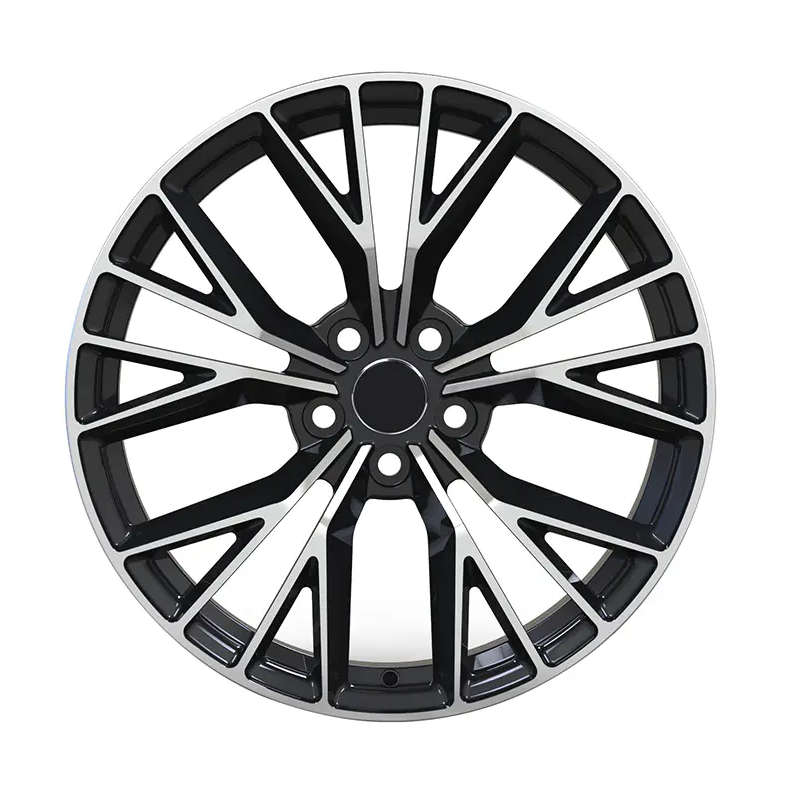
Aluminum alloys are the primary material used in the production of forged wheels. These alloys offer a combination of strength and lightness, making them ideal for automotive applications. However, the specific type of aluminum alloy used can vary, with different properties that affect the wheel's durability, weight, and appearance.
Common Aluminum Alloys:
The most common alloys used in forged wheels are 6000-series and 7000-series aluminum alloys. The 6000-series is often used for standard applications due to its good balance of strength, formability, and corrosion resistance. The 7000-series alloys, particularly 7075, are used in performance and racing wheels due to their higher strength and lighter weight, though they may be slightly more expensive.
6061 is a widely used alloy that offers a good combination of strength and resistance to corrosion. It is often used in vehicles that require durability and performance without the need for extreme weight reduction.
7075 aluminum alloy, which is more commonly seen in high-performance racing wheels, offers a higher strength-to-weight ratio and is used in more advanced applications, particularly for vehicles that experience high levels of stress and need reduced wheel weight for improved performance.
Additional Materials for Wheel Strength and Durability
In addition to aluminum, several other materials can be added to the alloy to improve the strength, corrosion resistance, and overall performance of the forged wheels. These additives, which are incorporated into the aluminum during the forging process, help optimize the wheel for specific use cases.
Magnesium:
Magnesium is sometimes added to aluminum alloys to further reduce the weight of the wheel. Magnesium is lighter than aluminum, and its inclusion can make forged wheels even more lightweight while maintaining strength. However, magnesium alloys are more prone to corrosion, and special treatments are required to enhance their resistance to environmental factors such as moisture and salt.
Magnesium alloys are often used in motorsport applications, where weight reduction is a primary concern, and the wheels are subject to rigorous testing. This makes them suitable for racing cars where performance is prioritized over long-term durability.
Silicon:
Silicon is often added to aluminum alloys to improve fluidity during the casting process. It also enhances the corrosion resistance of the alloy, making it a good option for vehicles that are used in harsh environments, such as those in coastal areas with high salt exposure.
Silicon-based alloys can offer increased strength and are especially useful in wheel production for vehicles exposed to frequent wet or corrosive conditions.
Cost and Performance Trade-Offs
When choosing materials for forged aluminum alloy wheels, there is often a trade-off between cost, performance, and durability. For instance, the choice of aluminum alloy and any additional materials or treatments used will impact both the price of the wheels and their suitability for different types of vehicles and driving conditions.
Cost vs. Performance:
Wheels made from 7075 aluminum alloy, with added magnesium for weight reduction, are typically more expensive than those made from 6061 aluminum due to the higher strength and specialized performance benefits. These wheels are often used in high-end sports cars or race cars, where performance is prioritized.
On the other hand, 6061 aluminum alloy wheels with a powder-coated finish are a more cost-effective option for everyday vehicles and modified cars where performance is important but not the primary focus. They offer good durability and aesthetics at a lower price point.
Durability vs. Weight:
Adding magnesium or silicon to aluminum alloys can further reduce the weight of the wheels but may reduce overall durability. This trade-off is often acceptable in high-performance vehicles that need lightweight components for faster acceleration and improved handling. However, for daily drivers or vehicles that experience rough terrain, wheels made from 6061 aluminum without the addition of magnesium may offer a better balance of strength and longevity.

 English
 Arabic
 Spanish
 Portuguese
 Deutsch
 Turkish
 Dutch
Dutch
 Italiano
 Russian
 Romaian
 Portuguese (Brazil)
 Greek
Greek