Why a Trusted Differential Shaft Supplier Matters in Slitting Applications

Selecting the Right Differential Shaft Supplier for Efficient Web Handling Operations
Choosing a reliable Differential Shaft supplier is an essential decision for manufacturers operating in web processing industries such as paper, film, plastic, textile, and flexible packaging. Differential shafts are highly specialized mechanical components designed to improve the accuracy and consistency of slitting and rewinding operations, particularly when handling multiple rolls of varying tension or thickness. By distributing tension uniformly across different rolls, differential shafts help achieve better output quality and reduce material waste.
A differential shaft, sometimes called a slipping shaft, plays a vital role in ensuring that individual reels on a common shaft can rotate independently and at slightly different speeds. This function becomes crucial when dealing with material properties that may stretch or behave differently during unwinding or rewinding. If left unmanaged, these differences can lead to uneven winding, telescoping, or material damage. A qualified Differential Shaft supplier understands these challenges and provides engineering solutions that align with the specific needs of each production line.
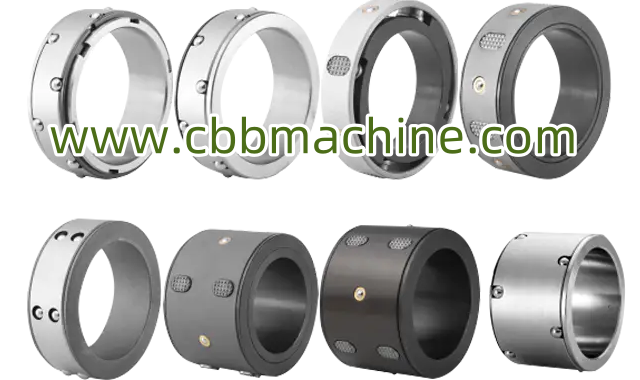
The internal mechanism of a differential shaft typically includes friction rings, ball lock systems, or pneumatic elements that allow torque to be transferred in a controlled manner. Each core mounted on the shaft can slip slightly, compensating for tension discrepancies across the width of the web. This level of precision helps maintain reel integrity and is especially useful when working with sensitive or high-value materials.
One key benefit of working with an experienced Differential Shaft supplier is access to customization. Production facilities vary in terms of machine speed, core size, web width, and type of materials used. A supplier with deep knowledge of shaft design can tailor specifications such as shaft diameter, body material (e.g., steel or aluminum), locking method, and load capacity. These adaptations ensure that the differential shaft fits seamlessly into your existing setup and delivers long-term performance.
Another important consideration is ease of maintenance and durability. High-quality differential shafts are designed to minimize wear and tear, featuring components that are resistant to corrosion and mechanical fatigue. A trusted supplier will use precision manufacturing techniques to ensure that the shaft is properly balanced, reducing vibration during high-speed operations and enhancing overall machine stability. In addition, user-friendly designs make it easier for operators to change cores or adjust settings during production.
For production environments focused on reducing downtime and maximizing throughput, the reliability of a differential shaft cannot be overlooked. A poorly made shaft may cause frequent machine stops, misaligned rolls, or inconsistent tension, all of which reduce productivity and increase scrap rates. A dependable supplier will not only provide a product but also offer support in the form of installation guidance, troubleshooting advice, and spare part availability.
Another advantage of choosing a reputable Differential Shaft supplier is their ability to meet global standards. This includes compliance with specific safety protocols, material certifications, and precision tolerances. For manufacturers exporting finished goods or components to different regions, using compliant equipment helps streamline audits and ensures uninterrupted operations.
Environmental responsibility is also a growing priority in modern manufacturing. A differential shaft that operates efficiently helps reduce energy usage by maintaining proper tension and minimizing waste. Some suppliers also offer environmentally conscious materials and coatings that extend product life and reduce maintenance frequency.
Ultimately, the right Differential Shaft supplier should be seen as a long-term partner rather than just a component vendor. Their knowledge, adaptability, and commitment to performance can make a noticeable difference in your production efficiency and product quality. When evaluating suppliers, consider their experience, engineering capabilities, manufacturing precision, and willingness to provide post-sale technical support.