


 Chat Wao
Linear Guide Bearings: The Precision Foundation of Modern Machinery
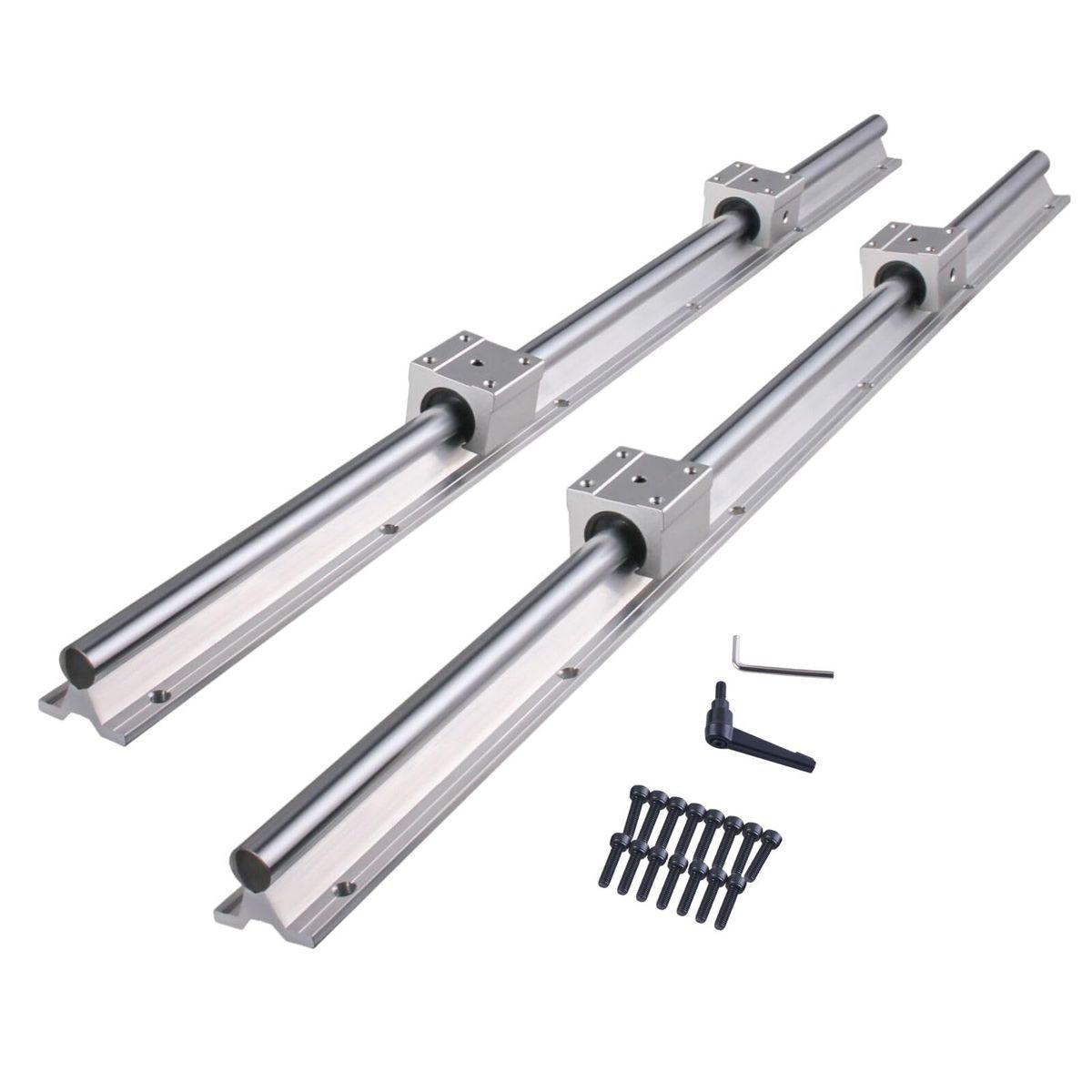
In the realm of precision engineering and industrial automation, the ability to move components along a straight path with accuracy, stability, and minimal friction is paramount. This is where linear guide bearings step in as the unsung heroes of motion control. From the high-speed axes of CNC milling machines to the delicate positioning systems in semiconductor manufacturing, linear guide bearings enable tools, workpieces, and robotic arms to glide smoothly along predefined tracks, ensuring micron-level precision and operational reliability. But what exactly are linear guide bearings, how do they work, and why are they so critical to modern machinery? This article delves into the fundamentals of linear guide bearings, their types, applications, and the engineering principles that make them indispensable.
What Are Linear Guide Bearings?
Linear guide bearings are mechanical systems designed to facilitate smooth, low-friction linear motion along a fixed axis (typically X, Y, or Z). They consist of two core components:
-
The Rail (Guide Track): A precision-machined metal (usually steel or hardened alloy) rail with accurately ground raceways (grooves) that define the linear motion path. The rail’s surface is engineered to minimize friction and wear while maximizing load-bearing capacity.
-
The Carriage (Block/Slider): The moving part that attaches to the load (e.g., a tool, workpiece, or robotic arm) and houses rolling elements (balls or rollers) or sliding mechanisms. These elements interact with the rail’s raceways to convert rotational or actuated force into precise linear movement.
The key innovation of linear guide bearings lies in their ability to distribute loads evenly across multiple contact points, reducing friction and enabling stable motion even under heavy loads or high speeds. Unlike traditional sliding bearings (which rely on direct surface contact and higher friction), linear guide bearings use rolling elements to achieve up to 90% less friction, resulting in smoother operation, longer component life, and greater precision.
How Linear Guide Bearings Work: The Mechanics
The operation of a linear guide bearing is elegantly simple yet highly engineered:
-
Installation: The rail is mounted to a fixed frame (e.g., a machine bed or gantry), while the carriage is attached to the moving component.
-
Load Application: When a force is applied (e.g., via a motor or actuator), the carriage’s rolling elements (balls or rollers) roll along the rail’s raceways, converting the force into linear motion.
-
Recirculation (for Rolling Bearings): In rolling-element designs (the most common type), the balls or rollers are arranged in a loop within the carriage. As the carriage moves, the rolling elements circulate continuously, ensuring uninterrupted motion along the entire rail length.
-
Precision Control: Tight tolerances between the carriage and rail (often ±0.001 mm or better) minimize play (backlash) and ensure repeatable positioning, critical for tasks like CNC machining or optical alignment.
Types of Linear Guide Bearings: Matching Form to Function
Linear guide bearings come in various configurations to suit different applications, each with unique advantages:
-
Ball Guide Bearings (Recirculating Balls)
-
How They Work: Steel balls roll in recirculating channels within the carriage, guided by hardened raceways in the rail.
-
Advantages: Balanced performance, cost-effective, widely available.
-
Load Capacity: Medium to high (up to 100,000N).
-
Precision: Good (±0.001–0.01 mm).
-
Best For: CNC machines, 3D printers, and general automation.
-
-
Roller Guide Bearings (Cylindrical Rollers)
-
How They Work: Cylindrical rollers replace balls, offering larger contact areas for higher load distribution.
-
Advantages: Superior load capacity and rigidity.
-
Load Capacity: Very high (up to 200,000N+).
-
Precision: Excellent (±0.0005 mm).
-
Best For: Heavy-duty machinery, industrial presses, and large CNC routers.
-
-
Crossed Roller Guide Bearings
-
How They Work: Alternating rollers oriented at 90° angles eliminate play and maximize rigidity.
-
Advantages: Zero clearance, exceptional accuracy.
-
Load Capacity: Medium (up to 15,000N).
-
Precision: Outstanding (±0.00005 mm).
-
Best For: Semiconductor manufacturing, optical alignment, and metrology.
-
-
Miniature Linear Guide Bearings
-
How They Work: Compact versions of ball or roller guides for small-scale applications.
-
Advantages: Ideal for confined spaces and precision instruments.
-
Load Capacity: Low to medium (up to 1,000N).
-
Precision: High (±0.0001 mm).
-
Best For: Medical devices, electronics assembly, and micro-manufacturing.
-
-
Profiled Rail Guide Bearings (High-Precision)
-
How They Work: Combines a precision-ground steel rail with a carriage containing multiple rows of recirculating balls or rollers.
-
Advantages: Extremely high precision (±0.001–0.005 mm) and rigidity.
-
Load Capacity: High (up to 150,000N).
-
Best For: High-end CNC machines and precision measurement tools.
-

 English
 Arabic
 French
 Spanish
 Portuguese
 Turkish
 Dutch
Dutch
 Italiano
 Russian
 Romaian
 Portuguese (Brazil)
 Greek
Greek